 Jessica
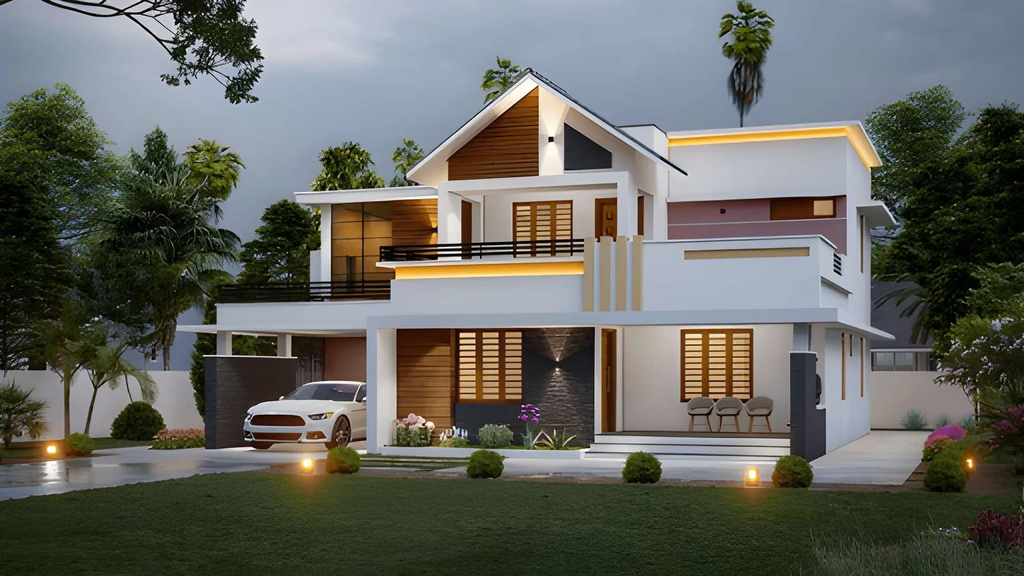
Most home design conversations start with how a space looks. The right color palette, the right furniture style, the right accessories arranged in the right way. These things matter — but they’re the second conversation, not the first. The first conversation is about how you actually live, and whether your home is built around that reality or working against it.
A home design that genuinely supports your life looks different for every person — because life looks different for every person. A remote worker who spends eight hours a day at a desk needs something fundamentally different from a parent of three young children. A couple who entertains frequently has different spatial priorities than someone who craves solitude and quiet after work. Getting this right means asking functional questions before aesthetic ones, and being honest about how the space is actually used rather than how you’d like it to be used in theory.
This guide covers what a life-supporting home design actually looks like across different life situations, which design decisions carry the most functional weight, how to audit your current space against your real needs, and where most people make the mistake of prioritizing appearance over livability — and how to correct it.
Why Most Home Design Doesn’t Support the Life Being Lived In It
The gap between how homes look and how well they work for their occupants is real, consistent, and largely preventable. It comes from a specific sequencing error: aesthetic decisions made before functional ones.
| Life Priority | What Design Should Respond To | Common Design Failure |
|---|---|---|
| Remote work | Dedicated, ergonomic workspace with good light | Desk crammed in a corner as afterthought |
| Young children | Durable surfaces, easy-clean materials, storage for toys | White sofas, fragile objects at reach height |
| Frequent entertaining | Flexible seating, flow between kitchen and living areas | Closed kitchen, rigid furniture arrangement |
| Recovery and rest | Low stimulation, blackout capability, acoustic calm | Bright lights, no window treatment, hard surfaces |
| Aging in place | Single-level living, grab bar provision, wider paths | Multi-level layouts, narrow doorways |
| Creative work | Space for materials, good natural light, writable surfaces | No designated creative zone, nowhere to spread out |
| Pet ownership | Scratch-resistant surfaces, easy-clean upholstery, pet entry | Velvet sofas, light-colored rugs, no mudroom |
What a Life-Supporting Home Design Actually Looks Like
1. It’s Designed Around How You Use Time
The most revealing audit of any home is time-based: where do you spend the most hours in your home, and how well does that space serve what you’re doing there? For most American households, the answer reveals immediate mismatches — the most-used room is the least-considered one, and the most-decorated room is the least-used one.
A home design that supports your life concentrates investment and attention where time is actually spent. If you work from home five days a week, your workspace deserves the same design attention as your living room — probably more. If you cook seriously every evening, the kitchen layout, lighting, and storage deserve priority over the dining room that hosts guests four times a year. This reordering of priorities is the first design decision a life-supporting home gets right.
2. It Has Honest, Durable Materials
There is a version of home design that looks beautiful in photographs and makes daily life subtly exhausting — because every surface requires careful management, every material shows marks immediately, and the aesthetic demands constant maintenance to survive contact with actual living. That’s the opposite of a home design that supports your life.
Materials chosen for real life are durable enough to handle what the household actually does to them. Families with children and pets need surfaces that clean easily and age with dignity rather than showing damage immediately. People who cook regularly need countertops that can take heat, moisture, and impact. People who work from home need desk surfaces and seating that hold up to eight hours of daily use, not just occasional visits.
The honest question is: does this material serve how I actually live, or does it require me to live differently to protect it? A home design that answers honestly to that question produces spaces that are genuinely easier to inhabit.
3. It Has Storage Designed for Real Possessions
The most common functional failure in home design is storage — not because homes don’t have enough of it, but because the storage that exists doesn’t match the possessions that need to be stored. A kitchen with beautiful cabinetry but no drawer space for utensils. A bedroom with a large closet but no provision for shoes. A home office with no cable management and nowhere logical to put paper.
A home design that supports your life inventories the real possessions before designing the storage — not an idealized version of what you’d like to own, but the actual things that need to live somewhere. Storage that’s designed around real objects produces homes where things are easy to put away and easy to find, which reduces the low-level friction that accumulates into the feeling that a home is working against you.
4. It Supports Your Social Rhythms
Some people’s lives are organized around frequent social gathering — dinner parties, family visits, kids’ playdates, casual drop-ins. Others are organized around solitude, concentration, and recovery from social exposure. Most homes are designed for some imagined average, and that average fits fewer actual people than designers assume.
A home design that genuinely supports your life makes your social rhythms easy rather than effortful. For frequent entertainers, that means kitchen-to-living flow, flexible seating that can be rearranged, surfaces that can handle drinks without anxiety, and enough lighting control to shift the mood from casual afternoon to evening gathering. For people who need their home to be a genuine retreat, it means acoustic management, visual calm, spaces that don’t demand social performance, and rooms that recover their restfulness quickly after the rare visit.
5. It Accommodates How You Actually Work
Remote work has permanently changed what home design needs to provide for a significant portion of the US workforce. A dedicated workspace — not a laptop on the kitchen counter, not a desk in the bedroom that you stare at when trying to sleep — is now a functional necessity for millions of households, and home design that doesn’t account for it fails a significant portion of the day.
The workspace that supports real work has ergonomic furniture at correct heights, lighting that reduces eye strain rather than creating it, acoustic separation from the household’s ambient noise, and enough visual separation from living areas to allow psychological transition between work and non-work modes. A home design built around these requirements treats the workspace with the same seriousness as any other primary room — because for remote workers, it is one.
6. It Plans for How Life Changes
A home design that supports your life today needs enough flexibility to accommodate the version of your life that’s coming. Children age out of one set of spatial needs and into another. Careers shift and home offices appear or disappear. Parents age and accessibility becomes a priority. Health changes affect what materials, layouts, and lighting levels work.
The right approach to future-flexible home design makes adaptations easier by avoiding highly specialized decisions that work for one life phase and resist change. Furniture that can be repositioned. Rooms without single fixed purposes. Storage systems that can be reconfigured. Finishes that can be updated without structural work. A home designed with this flexibility costs no more to build or decorate — it just requires thinking one stage ahead of where you currently are.
Life-Supporting Home Design Audit
| Room | Ask This Question | Red Flag Answer |
|---|---|---|
| Living Room | Does the seating work for how we actually spend time here? | We mostly watch TV from uncomfortable angles |
| Kitchen | Does the layout support how we cook? | The prep surface is across from the cooktop |
| Home Office | Can I work here for 8 hours without physical or mental strain? | I end up working from the couch most days |
| Bedroom | Does this room help me fall asleep and wake up well? | I check my phone until I fall asleep, wake up groggy |
| Bathroom | Does getting ready here feel efficient or frustrating? | There’s never enough counter space or light |
| Storage | Can I find what I need in under 30 seconds? | I know it’s here somewhere |
| Entryway | Does coming home feel like transition or chaos? | I drop everything on the floor because there’s nowhere to put it |
FAQ
What is a life-supporting home design?
A home design that’s built around how the occupants actually live — their work patterns, social rhythms, physical needs, daily routines, and real possessions — rather than around aesthetic trends or theoretical ideals. It prioritizes function before aesthetics and designs each space for its actual use rather than its assumed one.
How do I know if my home design isn’t supporting my life?
The clearest signals are daily friction — things that are harder than they should be, spaces that don’t get used, rooms that feel like they’re working against you rather than for you. If putting things away is hard, if working from home is uncomfortable, if coming home doesn’t feel like relief, the design isn’t aligned with how you actually live.
Does life-supporting home design have to sacrifice aesthetics?
No. Function and aesthetics aren’t in opposition — they’re in the wrong order when aesthetics comes first. A home design that solves for how you live and then applies aesthetic intention to those solutions produces spaces that are both beautiful and genuinely livable. The failure happens when aesthetics determines the design and function is left to work around it.
How often should you reassess your home design for life fit?
Any significant life change — a new job pattern, a new family member, a health change, a shift in social habits — is a reason to audit whether the existing design still fits. Smaller adjustments don’t require full redesigns; often rearranging, adding targeted storage, or changing one room’s primary function is enough to realign the space with the current life.
What’s the first change to make if your home doesn’t support your life?
Identify where you spend the most daily hours and assess that space honestly. Is it working for what you’re doing there? If not, that room — not the most visible one, not the one guests see first — gets the first investment of attention and resources. Starting with the most-used space produces the most immediate improvement in daily quality of life.
Bottom Line
A home design that supports your life doesn’t look like any particular style, price point, or aesthetic category. It looks like the specific environment that makes your specific daily life easier, calmer, and more sustainable — because it was designed around how you actually live rather than how homes are supposed to look.
Getting there requires honest answers to functional questions before aesthetic ones: where do you spend your time, what does that time require from the space, what materials can handle your household’s real demands, and what’s coming next in your life that the design should accommodate now. Answer those questions first. The home design that follows from honest answers is almost always more livable — and often more beautiful — than one built on aesthetic decisions alone.
Must visit our website https://designmode24.co/ for home designs.