 Admin
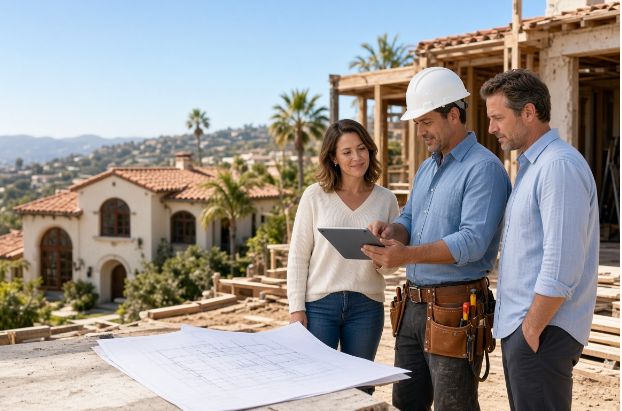
Choosing a general contractor is an important decision for any construction project. The right professional can help organize the work, coordinate subcontractors, manage budgets, and keep the project moving toward completion. The wrong choice may lead to unclear responsibilities, scheduling problems, unexpected expenses, and avoidable stress.
When comparing options for general contractor San Diego services, it is important to look beyond the initial estimate. Experience, licensing, insurance, communication, and project management all influence how effectively a contractor can handle your requirements.
Whether you are planning a home renovation, commercial property development, office build-out, retail space, or tenant improvement, a structured selection process helps you make a more informed decision. Understanding your project requirements and evaluating each contractor against clear criteria can help you find a professional who fits your budget, timeline, and expectations.
1. Identify Your Construction Requirements
Before contacting contractors, define what your project needs to accomplish. A clear scope helps you explain your expectations and receive proposals that are easier to compare.
Determine whether you need new construction, a home renovation, an office build-out, retail construction, or commercial interior improvements. Consider the property’s intended use, available space, structural requirements, and any specialized systems needed for daily operations.
Establish a preliminary budget and preferred completion date. You should also determine whether the project requires architectural plans, engineering services, or specialist installations involving heating, ventilation, electrical systems, or plumbing.
These details help a general contractor understand the project’s complexity and identify potential challenges early. A well-defined scope also makes it easier to compare estimates fairly and reduce misunderstandings once construction begins.
2. Evaluate Experience With Similar Projects
Construction experience matters most when it relates directly to your project’s requirements. A contractor who regularly handles kitchen renovations may not have the same experience coordinating a medical facility or a large commercial development.
Ask potential contractors about completed projects similar to yours. For residential work, review experience with remodeling, additions, structural changes, and major home improvements. For commercial construction San Diego projects, look for experience with offices, retail stores, restaurants, warehouses, and professional facilities.
Request examples that demonstrate the contractor’s ability to manage complex site conditions, coordinate multiple trades, and meet project specifications. Ask how challenges were handled and whether construction needed to be completed in phases.
Relevant experience provides a better indication of suitability than general claims about years in business alone.
3. Verify Licensing, Insurance, and Safety Practices
Before hiring a contractor, verify that the business holds the appropriate California contractor license for the proposed work. The California Contractors State License Board (CSLB) provides an official online tool for checking license status and related information. Confirm that the classification matches the project requirements.
You should also request evidence of general liability insurance and workers’ compensation coverage, where applicable. For commercial projects, clarify whether additional insurance documentation or specific coverage limits are required by the property owner or lease agreement.
Ask about job-site safety procedures, subcontractor oversight, and how hazards are managed during construction. A contractor should be able to explain the processes used to protect workers, occupants, visitors, and property.
Licensing and insurance are essential checks, but they should be considered alongside relevant experience, communication, and project management capability.
4. Compare Construction Estimates and Budgets
The lowest estimate is not necessarily the best option. Two contractors may quote different prices because their proposals include different materials, labor requirements, allowances, or responsibilities.
Request detailed written estimates that identify labor, materials, subcontractor costs, design services, engineering, permits, equipment, and finishing work. Review the stated assumptions and exclusions carefully. For example, one proposal may include site preparation while another may leave it outside the quoted price.
Ask how unexpected site conditions, material substitutions, and changes to the original scope will be handled. A written change-order process should explain how additional costs and schedule adjustments are approved.
You should also understand the payment schedule and what each payment covers. Comparing proposals against the same scope of work makes the differences easier to evaluate and helps you understand the financial commitments before signing a contract.
5. Assess Project Management and Construction Scheduling
A construction project involves more than the physical work. Materials must arrive on time, subcontractors need to coordinate their activities, and inspections must fit into the schedule.
Ask who will manage your project daily and who will serve as your main point of contact. A clear management structure helps you know whom to approach when questions or unexpected problems arise.
Discuss how the contractor tracks milestones, communicates delays, and provides progress updates. You should also ask how material procurement, deliveries, and inspections will be coordinated.
For commercial projects, scheduling can become more complicated when employees, customers, tenants, or neighboring businesses need continued access to the property. Phased construction may help maintain some operations while work proceeds in designated areas.
A realistic schedule should identify major milestones, dependencies, and potential risks rather than promise a completion date without explaining how it will be achieved.
6. Understand San Diego’s Permitting and Building Requirements
Construction projects may require building permits, plan reviews, inspections, zoning approvals, or other authorizations. Requirements depend on the property’s location, the proposed work, and the building’s intended use.
The City of San Diego Development Services Department provides information about building permits, plans, and inspection requirements. The city explains that permits are generally required for new structures and improvements to existing buildings, subject to applicable exemptions.
Before hiring a contractor, clarify who will prepare permit applications, coordinate supporting documents, and schedule required inspections. Ask whether architectural or engineering plans are needed and how building safety, accessibility, fire protection, and energy requirements may affect the project.
Also confirm which jurisdiction oversees the property. A project within San Diego city limits may follow different procedures from one located in another municipality or an unincorporated area of the county.
Clear permit responsibilities can help prevent confusion during planning and construction.
7. Evaluate Building Design and Technical Coordination
Some projects require close coordination between architects, structural engineers, mechanical specialists, electrical contractors, plumbing professionals, and other consultants. These responsibilities should be understood before construction begins.
For example, a commercial renovation may require changes to HVAC capacity, electrical supply, lighting, plumbing, fire protection, or accessibility features. If these systems are not properly coordinated with the building layout, the project may require design revisions or additional work.
Ask how the contractor identifies potential conflicts and communicates with design professionals. Review whether the proposed schedule allows sufficient time for technical decisions and required approvals.
A design-build arrangement may combine design and construction through one coordinated team, provided the contractor offers these services. However, confirm exactly which architectural, engineering, permitting, and construction responsibilities are included in the agreement.
Clear coordination helps ensure that the finished space supports its intended use.
8. Review Contracts, Communication, and Project Documentation
Before work begins, review the construction contract carefully. It should explain the agreed scope, technical specifications, price, payment milestones, estimated schedule, and responsibilities of each party.
Pay particular attention to change-order procedures. Construction requirements can evolve, but additional work should be documented with its cost and potential effect on the timeline before it proceeds, subject to the contract and applicable law.
The agreement should also clarify permit responsibilities, inspection requirements, warranty terms, and project closeout documentation. For commercial projects, this may include relevant equipment information, operating instructions, and records needed for property management.
Ask how communication will be handled throughout the project. Regular updates and written records make decisions easier to track and reduce misunderstandings.
A clear contract gives both parties a shared reference point when questions or disagreements arise.
9. Choose a Contractor That Understands Your Operations
A successful construction project must serve the people who will use the finished space. For a homeowner, that may mean preserving access to essential rooms during renovation. For a business, it may involve maintaining customer access, protecting inventory, or coordinating deliveries.
Discuss any restrictions involving working hours, noise, dust, equipment installation, security, and temporary closures. If the property will remain occupied, ask how the contractor plans to separate active work areas from spaces that must remain accessible.
Commercial property owners should also consider tenant requirements, loading areas, employee movement, and the effect of construction on neighboring businesses.
The right contractor considers these practical details alongside the physical building work. This broader understanding can help create a more workable schedule and a finished space that supports everyday needs.
Frequently Asked Questions About General Contractors in San Diego
What does a general contractor in San Diego do?
A general contractor coordinates construction activities, manages subcontractors, oversees scheduling, and organizes labor and materials. Depending on the project and services offered, responsibilities may include renovations, additions, new construction, office build-outs, and commercial improvements. The exact scope should be defined in the contract.
How do I choose a commercial building contractor in San Diego?
Evaluate relevant commercial experience, appropriate licensing, insurance, safety procedures, detailed estimates, project management practices, and written contract terms. Ask for examples of comparable projects and confirm how the contractor will manage permits, inspections, subcontractors, and communication.
How long does a construction project take?
The timeline depends on project size, design complexity, permitting, material availability, site conditions, and inspection requirements. Request a project-specific schedule that identifies major milestones and potential delays instead of relying on a generic estimate.
Does construction in San Diego require permits?
Many construction projects require permits or other approvals, although requirements and exemptions vary. Confirm the rules with the relevant local authority and clarify which party will coordinate applications and inspections before construction begins.
Conclusion:
Choosing a contractor requires careful consideration of experience, licensing, communication, pricing, and project management. Taking time to evaluate these factors can help you find a professional whose capabilities align with your construction requirements.
Whether you are planning a home renovation, commercial development, office build-out, or tenant improvement, define your project scope and compare qualified contractors using consistent criteria. For commercial projects, understanding how modern commercial building design supports business growth in San Diego can also help you make informed decisions about functionality, space planning, and long-term business needs. Before moving forward, contact an experienced general contractor in San Diego like NJ Design & Build to discuss your project, budget, timeline, and construction options.Read more at https://designmode24.co/.