 Jessica
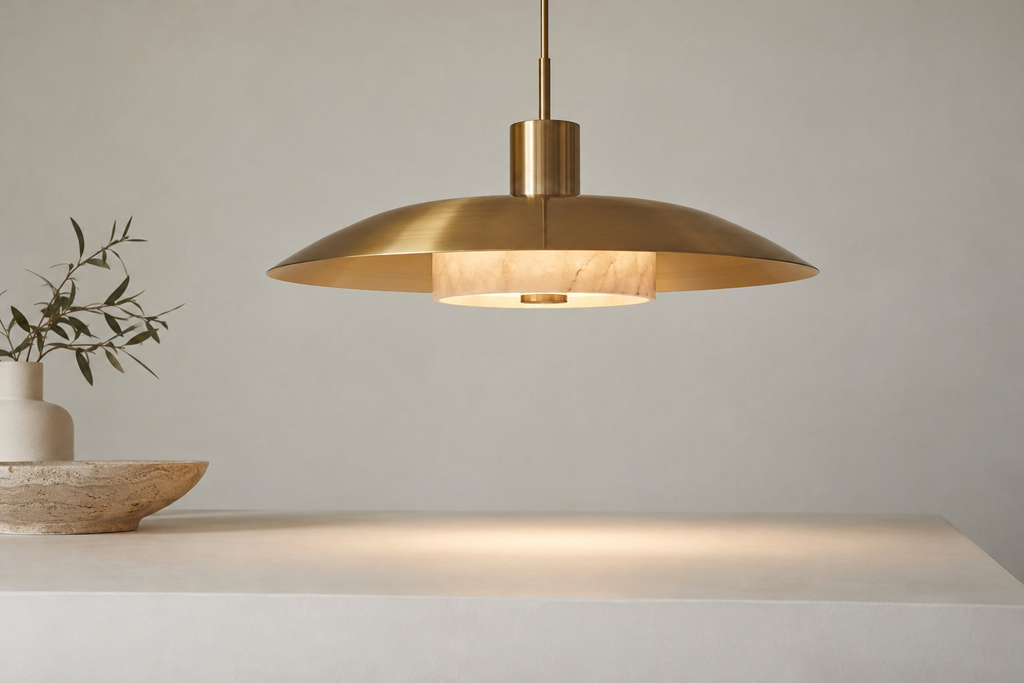
From striking centerpieces to discreet architectural accents, designer collaborations are redefining how lighting collections deliver both visual impact and practical function in today’s most innovative interiors.
In the world of contemporary interiors, lighting collections born from designer and brand partnerships have become a defining feature in both residential and commercial spaces. Clients, architects, and design professionals are increasingly drawn to collections where a designer’s vision is clearly visible, from the first sketch to the final installed piece.
Nowhere is this clearer than in the recent surge of interest in the Marie Flanigan designer lighting collection in Europe, which demonstrates how collaborative processes transform ideas into palpable design languages. These partnerships not only allow a distinctive aesthetic signature to shape product lines, but also open new possibilities in technical performance, spatial cohesion, and the overall user experience of architectural and decorative lighting.
Transforming concept into collection: what designer collaborations change
A true designer collaboration goes far beyond a one-off signature piece. Instead, it translates an individual’s worldview and design philosophy into an entire range, producing fixtures that share clear DNA while still accommodating diverse use cases. In contemporary lighting, this means every detail is intentional, from the proportion of a pendant shade to the silhouette of a wall sconce to the tactile finish of a table lamp.
The goal is to create a “design language” that can unify a space, regardless of fixture type. This allows for variety; chandeliers may feel dramatic, while flush mounts read as subtle background layers, but a thread of consistency ties the collection together. By building this language across the family, designers can respond to different scales and functional requirements while preserving the same visual coherence. In architectural projects, this flexibility simplifies decision-making and heightens the sense of intentionality throughout an interior.
Striking a balance: aesthetics and performance
The hallmark of a designer-led lighting range is often its recognizable character, but achieving this distinctiveness cannot come at the cost of practical lighting outcomes. In high-functioning environments, hospitality, office, or multi-use residential, stakeholders demand effective glare control, balanced diffusion, and technical compatibility, such as dimming or integration with smart home controls.
Designers, in collaboration with skilled lighting engineers, now actively consider the interplay between form, shadow, and light distribution. The success of a sculptural pendant depends not just on its looks, but also on its ability to deliver appropriate beam spread, ambient warmth, and consistency in color temperature. Similarly, finish choices, whether aged brass, matte black, or hand-rubbed patina, must be available across the collection so fixtures can work as a “family,” ensuring coordinated results for designers and end users.
Setting and interpreting design trends
Collaborations between brands and designers are increasingly at the center of trend creation. One clear direction is the revival and reinvention of heritage styles. Classic silhouettes like mid-century globes, angular Art Deco bars, or ornate plasterwork are updated with contemporary proportions and innovative material applications. The intention is not to produce copies of the past, but to interpret historic cues through the filter of current tastes.
There is also a renewed appetite for artisanship. Hand-blown glass, tactile ceramic, forged or folded metalwork, and natural stone details bring crafted character into otherwise minimal spaces. These artisanal touches connect products to a human story, counterbalancing technology-driven minimalism with warmth and individuality.
Material stories play a particularly important role. Designers are exploring a mix of hand-finished metals, textured glass, rattan, alabaster, and other tactile surfaces, often contrasting polished and matte elements within the same piece. This variety enables lighting to anchor a scheme visually, providing both functional illumination and engaging focal points. The resonance of these combinations reflects current priorities in interior design.
Bridging decorative and architectural layers
Contemporary spaces increasingly demand lighting schemes that blur the old boundaries between decorative and architectural categories. A well-executed designer collection acknowledges both needs, equipping users with statement pendants, sculptural wall sconces, and integrated architectural options (such as linear ceiling details, wall washers, or picture lights) all conceived as harmonious parts of one vision.
This cohesion is especially important in open-plan or mixed-use spaces, where transitions between kitchen, dining, and living zones occur without the interruption of dividing walls. A designer collaboration can offer decorative centerpieces to set a tone, while also guiding the selection of more discreet architectural layers. The result is a lighting strategy that feels intentional across both the bold and the background elements, reinforcing flow and a consistent atmosphere throughout the interior.
Practical use in real settings
For designers and specifiers, the challenge often lies in placing collaboration-led fixtures to maximize their visual and functional impact. Statement pieces excel in dramatic locations, such as double-height entrances or above dining tables and hospitality-standard lounges, where they establish a sense of arrival or define a key activity zone. Yet restraint is essential: overusing signature designs, or placing too many focal points in a single sightline, can create visual clutter rather than clarity.
Effective coordination involves careful consideration of scale (balancing fixture size with spatial dimensions), finish (ensuring metal tones and material textures complement other room elements), and spatial layout (avoiding awkward sightlines or blocking circulation). Color temperature should also remain consistent across fixtures, preventing jarring transitions or mismatched moods from zone to zone. The most successful projects manage to weave collaboration pieces throughout a space without “over-theming,” allowing the collection to support rather than dominate the architecture and furnishings.
The question of longevity
One frequent concern about designer collaborations is whether they will stand the test of time or simply represent passing trends. Enduring collections typically focus on classic forms, high-quality materials, and attention to craft. Designers intentionally avoid excessive novelty, instead prioritizing adaptability, repair, and continued availability of coordination finishes and parts over time.
This perspective is shared by brands like Visual Comfort, which designs and curates premium decorative and architectural lighting that blends timeless design, craftsmanship, and performance for residential and commercial spaces. Choosing collaboration pieces from established lines can also provide reassurance in terms of support, spares, and the ability to add matching fixtures in the future—a key benefit for both individual homeowners and long-term commercial fit-outs.
Recognizing what defines a strong designer collaboration
For architects, designers, and discerning clients, evaluating a designer-led lighting collection means asking four key questions. First, does the collection show clear coherence across forms, finishes, and function? Second, is there a visible commitment to workmanship and material quality? Third, do the pieces deliver usable, high-performing light, not just visual intrigue? And finally, does the range offer versatility: can it work in open plans, with varying ceiling heights, and in both statement and supporting roles?
When a collaboration checks all these boxes, it becomes a genuine tool for building cohesive, livable interiors.