 Jessica
Florida is famous for sunshine, warm temperatures, and a lifestyle that often revolves around outdoor living. For pool owners, however, keeping water comfortable throughout the year can still be challenging. Winter cold fronts, cooler evenings, and seasonal temperature changes can make pool water too chilly for swimming. A reliable heating system can help extend the swimming season without requiring excessive energy consumption.
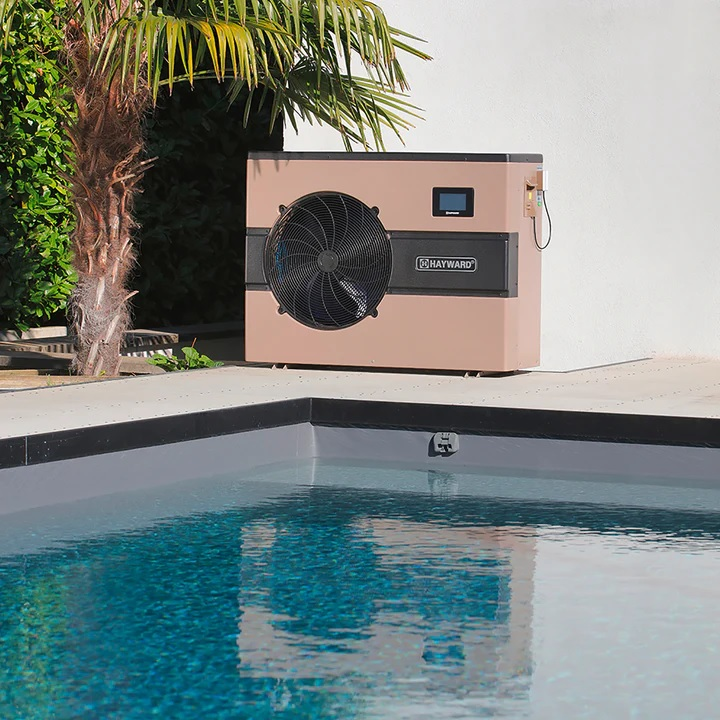
Heat pump pool heaters are particularly well suited to Florida’s climate because they take advantage of the relatively warm outdoor air to heat pool water efficiently. Instead of generating heat through combustion, they transfer existing heat from the surrounding air into the pool. This approach can provide consistent performance while keeping operating costs manageable.
Florida’s Climate and Pool Heating Needs
Although Florida has a warm climate, temperatures vary considerably throughout the year. Northern areas can experience significantly cooler winter conditions, while central and southern Florida generally remain warmer.
Even in the warmer parts of the state, pool water can become uncomfortable during winter nights or periods of cooler weather. Swimming pools also lose heat naturally through evaporation, especially when outdoor temperatures fall after sunset.
This creates a need for a heating system that can maintain comfortable water temperatures without consuming unnecessary amounts of energy. Heat pumps are well suited to this requirement because they work particularly efficiently when outdoor air temperatures are moderate.
How Heat Pump Pool Heaters Work
A pool heat pump works similarly to an air conditioner, but in reverse. Instead of removing heat from indoor air, the system extracts available heat from the surrounding outdoor air.
The basic process involves several stages:
- A fan draws warm outdoor air through the heat pump.
- A refrigerant absorbs heat from that air.
- A compressor increases the refrigerant’s temperature.
- The heat is transferred to the pool water through a heat exchanger.
- The cooled refrigerant cycles back through the system.
Because the system transfers existing heat rather than creating it directly, it can provide substantial heating output relative to the electricity it consumes.
1. Excellent Efficiency in Moderate Temperatures
One of the biggest reasons heat pumps work well in Florida is the state’s generally mild outdoor temperatures.
Heat pumps perform best when there is sufficient warmth in the surrounding air to extract. Florida provides these conditions for much of the year, allowing the system to operate efficiently during extended periods.
Instead of using large amounts of electricity to generate heat, the system uses electricity primarily to power the compressor and fan while transferring available environmental heat into the pool.
This can make heat pumps an attractive option for homeowners who use their pools regularly and want to control long-term heating costs.
2. Lower Operating Costs
Pool heating can become expensive when a system needs to run frequently. Heat pumps can help reduce operating expenses because of their efficient heat-transfer process.
While the actual cost depends on electricity rates, pool size, desired water temperature, weather conditions, and equipment efficiency, a properly sized heat pump can provide economical long-term heating.
This is particularly useful in Florida, where homeowners may want to maintain comfortable water temperatures for many months rather than heating the pool only occasionally.
3. Consistent Water Temperatures
Heat pumps are designed for maintaining pool temperatures rather than rapidly heating cold water.
Once the pool reaches the desired temperature, the system can continue operating to compensate for natural heat loss. Many modern models use inverter technology to adjust compressor speed according to heating demand.
Instead of repeatedly switching between full power and complete shutdown, an inverter heat pump can operate at lower output when less heating is required.
This can provide more stable temperatures while potentially reducing energy consumption.
4. Ideal for Extending the Swimming Season
Florida residents often enjoy outdoor activities throughout much of the year, but cooler weather can still limit pool use.
A heat pump allows homeowners to start using their pools earlier in the year and continue swimming later into the season. Even when daytime temperatures remain pleasant, cooler mornings and evenings can make the water uncomfortable without supplemental heating.
By maintaining a consistent temperature, heat pumps can make the pool more usable during these transitional periods.
5. Quiet Operation
Modern pool heat pumps have become considerably quieter than many older heating systems.
Inverter-driven compressors can operate at lower speeds once the desired water temperature has been reached, reducing operating noise. This is especially beneficial for residential properties where the pool is close to patios, bedrooms, or neighbouring homes.
A quieter heating system allows homeowners to enjoy their outdoor space without the equipment becoming a noticeable distraction.
6. No Fuel Storage Required
Unlike gas-powered pool heaters, electric heat pumps don’t require a fuel tank or gas supply for combustion.
This can simplify installation and everyday operation for homeowners who prefer an electric heating solution. There is also no need to manage fuel deliveries or store combustible fuel on the property.
For many residential pool owners, the straightforward operation of an electric heat pump makes it a convenient long-term option.
7. Modern Smart Features
Many newer heat pump pool heaters include digital controls and smart connectivity.
Depending on the model, homeowners may be able to:
- Set precise water temperatures
- Schedule heating periods
- Monitor operation remotely
- Adjust settings through a mobile application
- Receive system notifications
These features make it easier to heat the pool according to actual usage rather than leaving the system running unnecessarily.
Smart controls can be particularly useful for Florida homeowners who have changing schedules or use their pool more frequently during certain seasons.
8. Excellent Choice for Saltwater Pools
Florida has many residential saltwater pools, and corrosion resistance is an important consideration when selecting heating equipment.
High-quality heat pumps may use titanium heat exchangers, which provide strong resistance to corrosion and are well suited to saltwater pool environments.
However, homeowners should always verify the manufacturer’s specifications before purchasing a heater for a particular pool system.
9. Better Performance with a Pool Cover
Even the most efficient heat pump has to work harder when a pool continuously loses heat.
A pool cover can significantly reduce evaporation, which is one of the primary sources of heat loss. Covering the pool when it isn’t being used helps retain warmth and reduces the amount of work required from the heater.
Combining an efficient heat pump with a quality pool cover can therefore improve overall energy efficiency and reduce heating demand.
Choosing the Best Heat Pump for Your Florida Pool
Not every heat pump is suitable for every pool. Pool size, desired temperature, local weather, swimming frequency, and available electrical capacity should all be considered before purchasing equipment.
Proper sizing is particularly important. An undersized heater may struggle to maintain the desired temperature, while an unnecessarily oversized model can increase upfront costs.
Homeowners comparing options should evaluate heating capacity, efficiency, noise levels, corrosion resistance, smart controls, warranty coverage, and expected operating costs. A detailed comparison of suitable options can help homeowners identify the Best Pool Heater for Florida based on their specific requirements.
Heat Pumps vs. Gas Pool Heaters
Gas heaters have an advantage when rapid heating is the priority. They can raise water temperatures quickly and are less dependent on outdoor air conditions.
Heat pumps, however, are generally better suited to homeowners who want economical, consistent heating over longer periods. Florida’s mild climate gives heat pumps favourable operating conditions for much of the year.
The right choice ultimately depends on how often the pool is used, how quickly it needs to be heated, and the homeowner’s priorities regarding operating costs and efficiency.
Final Thoughts
Florida’s warm climate provides excellent conditions for heat pump pool heaters. Their ability to extract heat from surrounding air allows them to operate efficiently while providing consistent water temperatures throughout much of the year.
Features such as inverter technology, quiet operation, smart controls, and corrosion-resistant components make modern heat pumps even more practical for Florida homeowners. When combined with proper sizing, regular maintenance, and a pool cover, they can provide an efficient way to extend the swimming season.
Before choosing a system, consider your pool’s size, typical usage, desired temperature, and local climate conditions. A properly selected heat pump can provide comfortable swimming temperatures while keeping long-term energy consumption under control. Read more at www designmode24