 Jessica
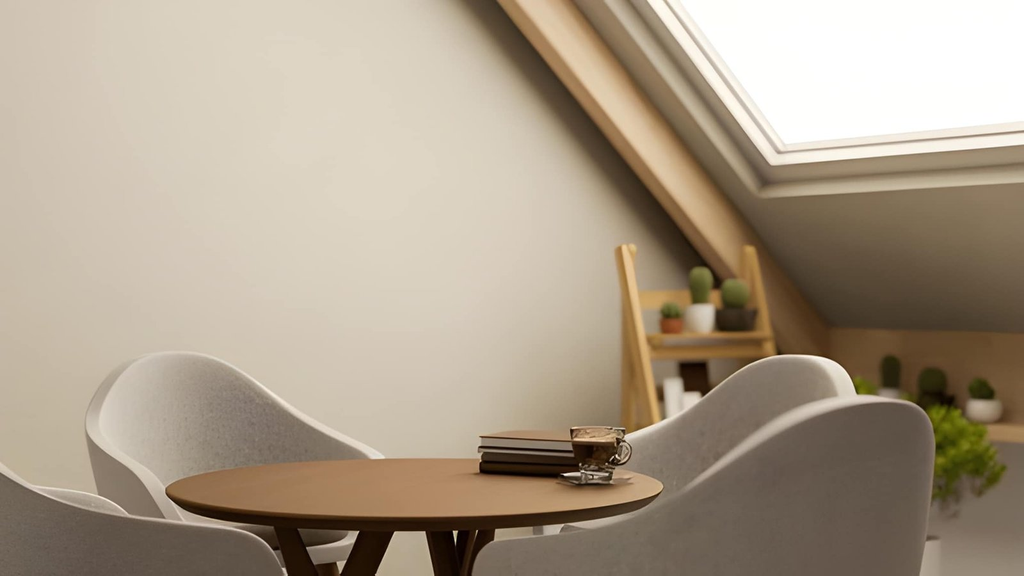
At some point, almost every American homeowner faces the same dilemma. The hardwood floors are honey oak. The new dining table is walnut. The bookshelf inherited from a parent is painted but has warm wood trim. Do they work together — or does the room look like a furniture showroom that couldn’t make up its mind?
The instinct is to match everything. Buy the matching bedroom set. Stick to one wood tone throughout. Play it safe.
Professional designers almost never do this — and the rooms they create look better for it.
Mixing wood tones in the same room is not only acceptable, it’s often what separates a space that looks curated from one that looks like a catalog page. The difference between wood mixing that looks intentional and wood mixing that looks like a mistake comes down to a specific set of rules — contrast, undertone, and visual weight — that most people have never been told.
This guide covers exactly when and how to mix wood tones successfully, which combinations work, which don’t, and how to apply these principles in real American homes.
Why Matching Wood Tones Exactly Often Looks Worse
Perfectly matched wood tones create a different problem than mismatched ones. When two pieces of wood are close in tone but not identical — a dining table that’s almost the same as the floors but not quite — the near-match reads as an error rather than a choice. The eye notices the discrepancy and interprets it as something gone wrong.
Deliberate contrast, on the other hand, reads as intentional. A dark walnut dining table on light oak floors signals a decision. The eye accepts it as designed.
| Wood Tone Pairing | How It Reads | Risk Level |
|---|---|---|
| Identical match (same species, finish) | Intentional but flat — can feel monotonous | Low risk, low interest |
| Near-match (similar but not identical) | Looks like an accident — avoid | High risk |
| Deliberate contrast (light vs. dark) | Reads as designed and intentional | Low risk, high impact |
| Mixed undertones (warm vs. cool) | Can clash — needs careful management | Medium-high risk |
| Varied tones, same undertone family | Most versatile — works in most rooms | Low risk |
The near-match is the most common mistake in American homes — and it’s the one that mixing wood tones intentionally actually solves.
The Rules for Mixing Wood Tones in the Same Room
Rule 1: Stay Within the Same Undertone Family
Wood undertones fall into two camps: warm (yellow, orange, red) and cool (grey, green, brown). Mixing wood tones within the same undertone family — a honey oak floor with a warm walnut table, for example — reads as cohesive even when the tones differ significantly. Mixing warm and cool undertones in the same room creates visual tension that most people can feel but can’t identify.
| Undertone | Wood Species Examples | Pairs Well With |
|---|---|---|
| Warm (yellow/orange) | Pine, honey oak, teak, cherry | Walnut, mahogany, warm-toned maple |
| Warm (red) | Cherry, mahogany, red oak | Other warm woods — avoid cool grey |
| Cool (grey/brown) | White oak, ash, driftwood finishes | Other cool-toned woods, grey-painted pieces |
| Neutral (brown) | Walnut, some maple | Both warm and cool — most versatile |
Walnut is the most forgiving wood for mixing because its neutral brown undertone bridges warm and cool without creating conflict.
Rule 2: Vary the Tone by at Least Two Shades
If you’re going to mix wood tones, commit to the contrast. The target difference between any two wood pieces in the same sightline is at least two clear shades — light, medium, or dark. Light floors with a dark table. Medium shelving with light trim. Dark furniture with a lighter floor.
Anything closer than two shades risks the near-match problem. When in doubt, go darker or lighter than you think you need to.
Rule 3: Let One Wood Tone Dominate
In any room, one wood tone should cover the most visual surface area — typically the floors, since they’re the largest wood surface in most American rooms. Every other wood element is secondary. A room with three equally prominent wood tones reads as chaotic. A room with one dominant tone and two subordinate accents reads as layered.
For room-specific guidance on how to balance wood tones with paint colors, textiles, and metal finishes in American homes, designmode24 interior design covers these combinations with the specificity that general advice rarely reaches.
Rule 4: Use a Unifying Element
When mixing wood tones in the same room, a unifying element — a consistent metal finish, a repeated textile color, or a wall color that pulls from both wood tones — ties the room together visually. It gives the eye something consistent to follow across the different wood pieces.
Common unifying elements that work:
- A consistent metal finish (brass, matte black, brushed nickel) across all hardware and fixtures
- A rug that contains colors from both wood tones
- A wall color that sits between the two tones — neither matching nor contrasting harshly with either
Wood Tone Mixing by Room
| Room | Floor Tone | Accent Wood | Why It Works |
|---|---|---|---|
| Living room | Light oak | Dark walnut coffee table | High contrast, same warm undertone |
| Dining room | Medium oak | Dark walnut table, lighter chairs | Table anchors, chairs lighten |
| Bedroom | Medium hardwood | Lighter nightstands | Contrast without drama |
| Kitchen | Light floors | Dark wood island | Classic, widely used combination |
| Home office | Any floor | Contrasting desk | Desk as focal point — contrast works |
| Open concept | Consistent floor throughout | Varied furniture tones | Floor unifies, furniture varies |
Frequently Asked Questions
Can you mix oak and walnut in the same room?
Yes — this is one of the most reliable wood combinations in American interior design. Oak (warm, lighter) and walnut (neutral, darker) sit at least two shades apart and share enough warmth in their undertones to coexist comfortably. Oak floors with a walnut dining table is a combination designers return to consistently.
How many wood tones are too many in one room?
Three is generally the maximum before a room starts feeling visually busy. One dominant tone (usually the floor), one secondary tone (largest furniture piece), and one accent tone (smaller pieces, trim, accessories) is the workable limit for most room sizes.
Does painted furniture count as a wood tone?
No — painted furniture removes itself from the wood tone equation entirely. A room with light oak floors, a walnut table, and a painted white bookshelf has two wood tones, not three. Painted pieces give you breathing room to introduce more wood variety elsewhere.
Should wood floors match wood furniture?
They don’t need to — and in most cases, matching them exactly creates the near-match problem described above. A deliberate contrast between floor tone and furniture tone reads better than a close match that looks like it almost worked.
The Direct Answer
Mixing wood tones in the same room is not only okay — it’s usually better than matching everything. The rules are straightforward: stay within the same undertone family, create at least two shades of contrast between pieces, let one tone dominate, and use a consistent metal finish or textile to unify the room.
The goal isn’t a room where every wood piece matches. It’s a room where every wood piece looks like it belongs — which is a different standard entirely, and a more achievable one.
For more information about wooden interior visit https://designmode24.co/