 Jessica
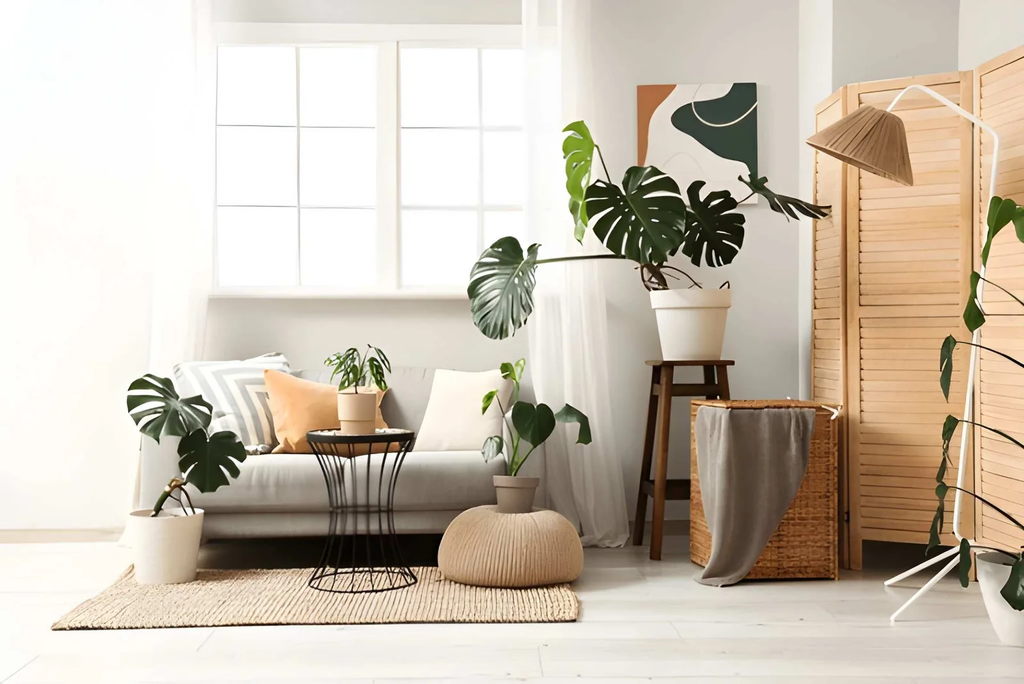
Some buildings leave you tired by mid-afternoon. The air feels still, the light is flat, and every surface is hard and uniform. Others, with a view of trees, daylight that shifts across a wall, and the grain of real wood underfoot, feel easier to spend time in. The difference is not luck. It is a design approach that treats contact with nature as a basic need. So how can biophilic architecture transform indoor environments?
Biophilic architecture brings natural light, air, materials, plants, and organic forms into the structure of a building, not just its decoration. This article explains the main ideas in practical terms and shows how to use them in a home, office, or renovation. You will find a quick answer, a table of core patterns, a section on light and air, a materials guide, a small-space plan, a planning checklist, and the mistakes that turn “natural” design into a token plant in the corner. It suits new builds, apartments, and rentals. Read the quick answer first, then use the sections that fit your project.
How Can Biophilic Architecture Transform Indoor Environments?
Biophilic architecture transforms indoor environments by connecting people with nature through daylight, views, fresh air, natural materials, plants, and organic shapes. It changes how a space looks and feels, and many studies suggest it supports mood and comfort, though results vary. The strongest effects come from design built into the structure.
The Core Patterns
| Pattern | What it means | Example |
|---|---|---|
| Direct nature | Real plants, water, air, and light | Courtyard, indoor planting, open windows |
| Natural analogues | Materials and shapes that echo nature | Timber, stone, curved forms, leaf patterns |
| Nature of the space | Layouts that feel like natural settings | Prospect and refuge, gentle mystery |
| Variable light | Light that changes through the day | Skylights, east and west windows |
| Sensory variety | Texture, scent, and sound | Rough stone, herbs, quiet water |
Prospect and refuge is the idea that people feel comfortable when they can see far but also sit somewhere sheltered, such as a deep window seat facing a view.
Light, Views, and Air
Daylight does more work than any plant. Place workspaces and seating near windows, and let light reach deep into the plan.
| Feature | Effect | Practical note |
|---|---|---|
| Large windows with views | Connection to outside | Use shading for glare and heat |
| Skylights or light wells | Daylight in deep rooms | Check insulation and leaks |
| Openable windows | Fresh air and sound | Add screens where needed |
| Cross-ventilation | Air movement | Align openings across a room |
| Dynamic light | Shifting patches through the day | Avoid heavy, fixed curtains |
Good ventilation matters as much as light. A plant cannot fix stale air in a sealed room.
Materials and Surfaces
Natural materials add texture and warmth that synthetic surfaces rarely match.
| Material | Role | Note |
|---|---|---|
| Solid or reclaimed timber | Floors, ceilings, joinery | Choose sustainable sources |
| Stone and clay | Floors, walls, tiles | Cool, tactile, durable |
| Lime plaster and earth paint | Walls | Breathable, soft in tone |
| Cork, wool, linen, jute | Floors and soft furnishings | Warm and quiet |
| Natural stone textures | Feature walls | Seal where needed |
If you want to compare finishes and plant-friendly fixtures for a project like this, you can browse [anchor text] before you plan your palette. Use low-emission paints and finishes where possible, since air quality is part of the goal.
Plants and Water, Done Properly
Plants work best when chosen for the light they will receive. A green wall or large planter needs irrigation, drainage, and waterproofing, so plan these early with a specialist. Place plants where people sit or pass, not in dark corners where they will struggle. Water features should be quiet and easy to clean, since stagnant water causes problems. Check that any plant you choose is safe for children and pets.
A Plan for Small Spaces and Rentals
Biophilic architecture does not require a large building or budget.
| Budget | Change | Effect |
|---|---|---|
| Low | Move desks and seating to windows, open blinds | More daylight and views |
| Low | Add a few plants at different heights | Softer atmosphere |
| Medium | Swap synthetic rugs for wool or jute | Natural texture |
| Medium | Add wood shelving and warm lighting | Natural materials |
| Higher | Install a skylight, glazed door, or planted screen | Structural change |
Planning Checklist
- Map daylight. Note where light falls at different times.
- List views. Identify the best outlook and move seating toward it.
- Choose two or three natural materials. Repeat them.
- Plan air. Check for cross-ventilation and extractors.
- Choose plants by light level. Match each to its spot.
- Add variety. Mix textures, scents, and quiet sounds.
- Get advice. Structural, waterproofing, or glazing changes need qualified professionals and may need permits.
Mistakes That Undermine the Idea
The most common mistake is treating it as decoration only. A few plants on a shelf in a windowless room will not change much. Another is using fake materials, such as printed wood or plastic foliage, which lack the texture and variation that make nature restful. Overheating is a third problem, since large south-facing glazing needs shade. Skipping maintenance also causes trouble, as dying plants and damp walls do the opposite of what you want. Finally, avoid cluttering the space. The design works best when light and views stay clear.
FAQ
Is biophilic architecture the same as adding plants?
No. Plants help, but the approach also includes light, air, materials, views, and layout.
Does it work in an apartment?
Yes. Moving furniture to windows, adding plants, and using natural textiles all help.
Is there evidence it improves wellbeing?
Several studies point to benefits for mood and stress, though findings vary. It is not a medical treatment.
Is it expensive?
Small changes cost little. Structural work such as skylights or green walls costs more.
Bottom Line
Biophilic architecture transforms indoor environments by bringing daylight, fresh air, natural materials, plants, and organic form into the building itself. Start with light and views, add natural textures, choose plants for their spot, and get expert help for structural changes. A space shaped by nature simply feels easier to live in.
For biophilic architecture ideas must visit https://designmode24.co/