 Jessica
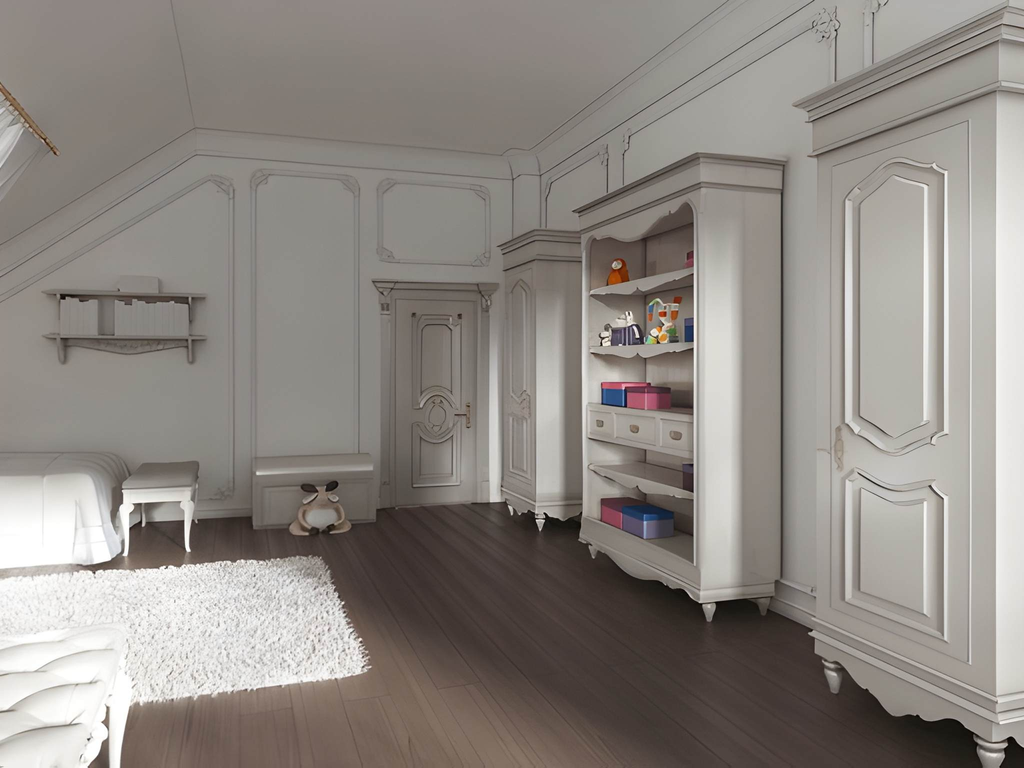
You bought furniture you liked. You arranged it carefully. The room still feels wrong — too crowded, too empty, or somehow both at once. You’ve repainted, added accessories, moved things around. Nothing fixes it.
The problem is almost certainly scale.
Furniture scale is the single most common reason rooms feel off in American homes — and it’s the hardest problem to self-diagnose because people evaluate furniture in showrooms, not in their actual rooms. A sofa that looks perfectly proportioned on a showroom floor surrounded by other correctly scaled pieces looks completely different in a living room with 8-foot ceilings and a narrow footprint.
Knowing whether your furniture is the wrong scale for the room doesn’t require a design degree. It requires knowing what to look for — specific visual signals that tell you a piece is too large, too small, or simply wrong for the proportions of the space it’s in.
This guide covers exactly those signals, room by room, with measurement benchmarks American homeowners can check in an afternoon — no guesswork required.
Why Scale Gets Ignored Until It’s Too Late
Most furniture is bought one piece at a time, often from different stores at different moments. Nobody lays out the full room plan first. The result is a collection of individually appealing pieces that don’t relate to each other or to the room correctly.
Scale has two components: size relative to the room and size relative to other furniture. Both matter. A correctly sized sofa next to an oversized coffee table still reads as wrong. A well-proportioned dining table under an undersized light fixture still feels unfinished.
| Scale Problem | What It Looks Like | Common Cause |
|---|---|---|
| Furniture too large for room | Room feels cramped, traffic flow blocked | Bought without measuring, showroom effect |
| Furniture too small for room | Room feels empty, pieces look lost | Playing it safe, fear of going too big |
| Mismatched scale between pieces | Room feels chaotic, no visual anchor | Buying pieces separately over time |
| Correct size, wrong proportion | Piece fits but looks stubby or too tall | Height ignored, only footprint measured |
| Too many same-height pieces | Room feels flat, no visual rhythm | All seating same height, no variation |
How to Tell If Your Furniture Is the Wrong Scale: The Signals
The Room Feels Hard to Move Through
If navigating your living room, bedroom, or dining room requires conscious thought — turning sideways, stepping around corners, angling past furniture — the pieces are too large for the space. Comfortable clearance minimums in American homes:
- Main traffic paths: 36 inches minimum, 42–48 inches preferred
- Secondary paths: 24–30 inches
- Between sofa and coffee table: 14–18 inches
- Around dining table with chairs pulled out: 36 inches minimum
If any of these fall below minimum, furniture scale is the problem — not the room size.
The Furniture Disappears Into the Room
The opposite problem is equally common. A loveseat in a large living room, a small dining table in a generous dining room, a narrow bed in a wide bedroom — these pieces don’t fill their space proportionally and the room reads as unfinished regardless of how well everything else is executed.
A useful rule: seating in a living room should occupy 60–75% of the room’s usable floor area when measured as a grouped zone. If the furniture footprint covers less than that, the scale is too small.
| Room | Furniture Scale Signal | Benchmark |
|---|---|---|
| Living room | Sofa length vs. wall length | Sofa should be 2/3 of the wall it faces |
| Dining room | Table size vs. room size | 36 inches clearance on all sides minimum |
| Bedroom | Bed vs. room width | Bed should leave 24–30 inches on each side |
| Home office | Desk vs. room | Desk should not dominate more than 40% of floor space |
| Entryway | Console table vs. wall | Should not exceed 2/3 of wall width |
The Ceiling Feels Lower Than It Is
Oversized furniture — particularly tall, bulky pieces — compresses perceived ceiling height. If your room feels shorter than it actually is, the furniture is likely too tall or too visually heavy for the proportions.
The fix isn’t always removing furniture. Sometimes it’s swapping a solid-back bookcase for open shelving, replacing a heavy upholstered headboard with a lower-profile alternative, or choosing a glass coffee table that lets the eye travel through rather than stopping at a solid surface.
For detailed scale guidelines matched to specific room dimensions and ceiling heights common in American homes, designmode24 interior design covers these proportions with the room-specific precision that generic advice skips.
The Rug Is the Wrong Size
A rug that’s too small is one of the clearest signals of wrong scale thinking — and one of the most common mistakes in American living rooms. A rug that sits only under the coffee table, surrounded by floating furniture legs on bare floor, signals that scale wasn’t considered at the room level.
The correct approach: all front legs of seating pieces on the rug minimum, all legs on the rug ideally. In a dining room, the rug should extend at least 24 inches beyond the table on all sides — enough that chairs remain on the rug when pulled out.
Furniture Scale Quick-Check by Room
| Room | Too Large Signal | Too Small Signal | Right Scale Signal |
|---|---|---|---|
| Living room | Can’t walk behind sofa, feels cramped | Sofa looks like it’s floating, room feels bare | Sofa 2/3 of facing wall, 36-inch traffic paths clear |
| Bedroom | Nightstands block window or door | Bed looks small, nightstands look tiny | 24–30 inches either side of bed, nightstands at mattress height |
| Dining room | Chairs hit wall when pulled out | Table looks small, chairs look oversized | 36 inches clearance all sides with chairs pulled out |
| Home office | Desk dominates, no space to move | Desk too small for work surface needs | 36-inch chair pull-out clearance behind desk |
| Bathroom | Vanity hits toilet or door | Vanity too small, counter space inadequate | 21 inches clearance in front, 15 inches from toilet centerline |
The Measurement Test You Can Do Right Now
Don’t rely on visual judgment alone. Tape measure in hand, check these five numbers in your most problematic room:
- Measure the main traffic path — is it 36 inches or wider?
- Measure sofa length against the wall it faces — is the sofa at least half that wall’s width?
- Measure between the sofa and coffee table — is it 14–18 inches?
- Measure ceiling height against the tallest furniture piece — is the tallest piece under 2/3 of the ceiling height?
- Measure rug coverage — do front legs of all seating pieces sit on the rug?
If two or more of these fail, furniture scale is the room’s primary problem.
Frequently Asked Questions
What is the most common furniture scale mistake in American homes?
Buying a sofa that’s too small for the living room — usually from playing it safe or shopping without measurements. A loveseat in a standard American living room almost always reads as undersized. The second most common mistake is a dining table without enough clearance around it for chair movement.
How do you fix wrong-scale furniture without buying new pieces?
Rugs are the fastest fix — a larger rug immediately changes the perceived scale of a seating group. Mirrors add depth that compensates for oversized furniture in smaller rooms. Removing one piece entirely is often more effective than adding anything new.
Does furniture scale affect resale value?
Indirectly yes. Staged homes — which are professionally scaled — sell faster and at higher prices than unstaged ones according to consistent National Association of Realtors data. Buyers respond to correctly scaled rooms even when they can’t articulate why.
Can a sectional sofa work in a small room?
Yes — if the sectional is correctly scaled. A compact sectional (under 100 inches on the long side) in a small living room works if traffic paths remain clear. The mistake is choosing a sectional sized for a large room and forcing it into a small one.
The Direct Answer
Furniture that is the wrong scale for the room doesn’t announce itself clearly — it just makes the room feel persistently off in a way that repainting and redecorating never fixes. The signals are specific: blocked traffic paths, furniture that looks lost in open space, ceilings that feel lower than they are, and rugs that don’t anchor anything.
The measurement test takes fifteen minutes. If two or more numbers fail, you’ve found the problem — and that’s more useful than any amount of rearranging pieces that were never the right size to begin with.
for more information about furniture placement visit https://designmode24.co/