 Jessica
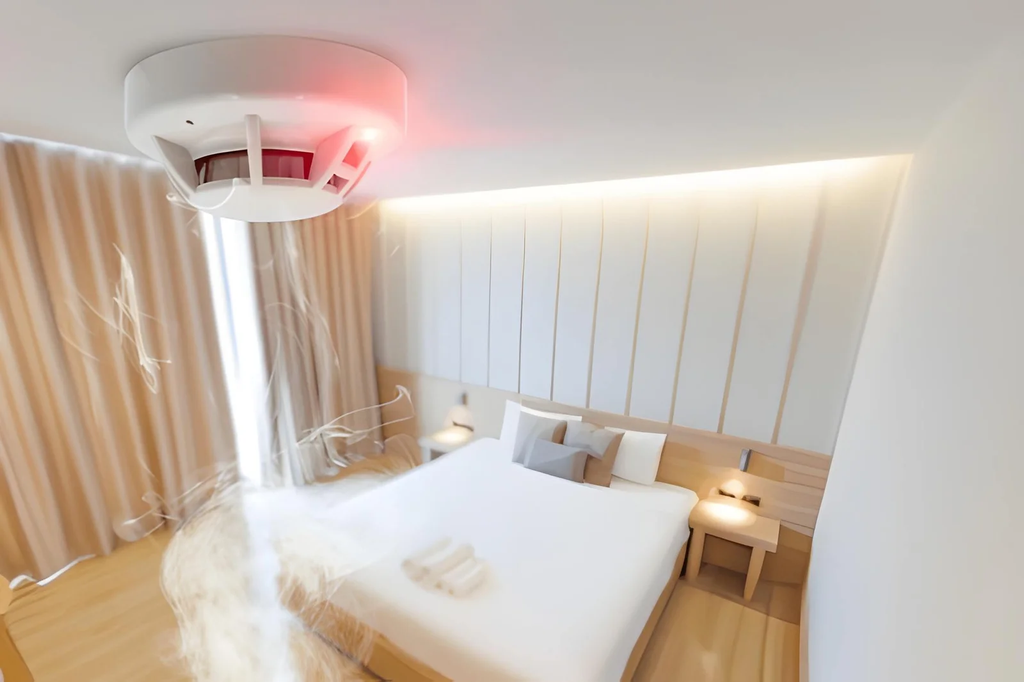
A smoke alarm in the hallway does its job when you are home and awake. But fires do not wait for convenient hours. Someone is out at work, a guest is asleep in the far bedroom, or the basement alarm is two floors away from anyone who could hear it. That gap between detection and a person actually knowing is where smart detectors earn their place. So, how can smart smoke detectors improve home safety? They do three things a basic alarm cannot: they tell you which room is affected, they alert you wherever you are, and they can trigger other devices to help. This guide explains those benefits and their limits. You will find a quick answer, the detect, tell, act model, two tables, a five-step test you can do tonight, and a short FAQ. You do not need an electrician to understand what matters.
How Can Smart Smoke Detectors Improve Home Safety?
Smart smoke detectors improve home safety by sending alerts to your phone, naming the room where smoke is detected, sounding every alarm in the home together, and running self-tests. Some can also trigger lights or other devices. They add awareness, but they still depend on correct placement, power, and maintenance.
Why Do the Basics Still Come First?
The National Fire Protection Association reports that the risk of dying in reported home structure fires is 54 percent lower in homes with working smoke alarms than in homes with none or none that worked. NFPA guidance calls for an alarm on every level, outside sleeping areas, and in every bedroom. A smart detector in the wrong place, or one that is out of date, protects less than a basic alarm in the right place.
What Is the Detect, Tell, Act Model?
| Job | Basic Alarm | Smart Detector |
|---|---|---|
| Detect | Senses smoke, sounds locally | Same, plus many models self-test and report faults |
| Tell | Only people within earshot know | Phone alerts, room names, and notifications to family |
| Act | Nothing beyond the horn | Can sound all alarms, switch on lights, or notify a monitoring service, depending on the system |
The extra value sits in “tell” and “act.”
Which Features Matter Most?
| Feature | Safety Benefit | What to Check |
|---|---|---|
| Interconnection | When one alarm sounds, they all sound, which helps with distant bedrooms | Whether alarms connect wirelessly or by wiring |
| Phone alerts | You hear about smoke while away | Works only with a phone connection |
| Room identification | Tells responders and family where to look | Naming each device during setup |
| Self-testing | Catches dead batteries and sensor faults | Still do manual monthly tests |
| Carbon monoxide combo | Covers a second hazard | Different replacement cycles |
| Smart home integration | Lights guide the way out | Test that it works without Wi-Fi |
| Silence from phone | Reduces cooking false alarms | Never silence without checking the cause |
What Are the Limits?
Alerts need Wi-Fi or mobile data, so test the plan during an outage. A phone alert is not an emergency call, so know your local emergency number. Do not install smart alarms in place of required wired or interconnected alarms unless the code and the manufacturer allow it. Replacement still applies: replace all smoke detectors after 10 years, and test at least monthly.
How Do You Test the Alert Chain?
The chain is detector, network, phone, and person. Test every link.
- Press the test button on one detector and note how fast every alarm sounds.
- Check that your phone receives the alert, with the correct room name.
- Switch off Wi-Fi at the router and test again. The local alarm should still sound.
- Ask a second family member to confirm they get the alert.
- Write down the date, then repeat monthly.
Frequently Asked Questions
Do smart smoke detectors work without Wi-Fi?
They should still sound locally. Phone alerts and cloud features usually need a connection.
Are smart detectors better than regular ones?
They add alerts and monitoring, but detection quality depends on the model and correct installation.
How many do I need?
Follow the placement rule above, and add more in larger homes.
Bottom Line
Smart smoke detectors close the gap between a fire starting and someone knowing. Put alarms where fire codes say they belong, choose features that match your home, test the whole alert chain, and replace devices on schedule. The best system is the one that wakes you and tells everyone else.
Must visit https://designmode24.co/ for smart smoke detectors.