 Jessica
A door opens at 2 p.m. when nobody should be home. The washing machine draws power at midnight. A window breaks, a pipe drips, and a stranger stands on the porch. None of these events look alike, yet many people buy one camera and hope it covers everything. So which smart devices can detect unusual household activity, and how do you choose the right ones?
The most reliable approach is to think in signals instead of products. Unusual activity shows up as an entry, a movement, a sound, a leak, or an odd power draw. Each signal has a device that catches it best. This article maps the five signals to specific devices, explains the baseline step that cuts false alerts, and covers privacy rules every US household should know. You will find a quick answer, a signal table, a sound-detection section, a setup plan, a privacy note, and the mistakes that lead to alert fatigue. It suits homeowners, renters, and families caring for older relatives. Read the quick answer first, then use the sections that fit your home.
Which Smart Devices Can Detect Unusual Household Activity?
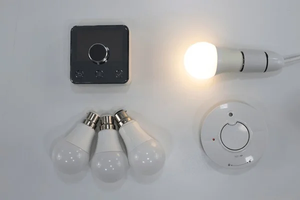
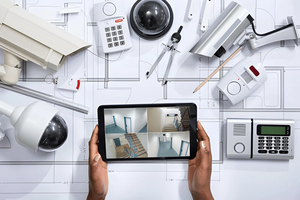
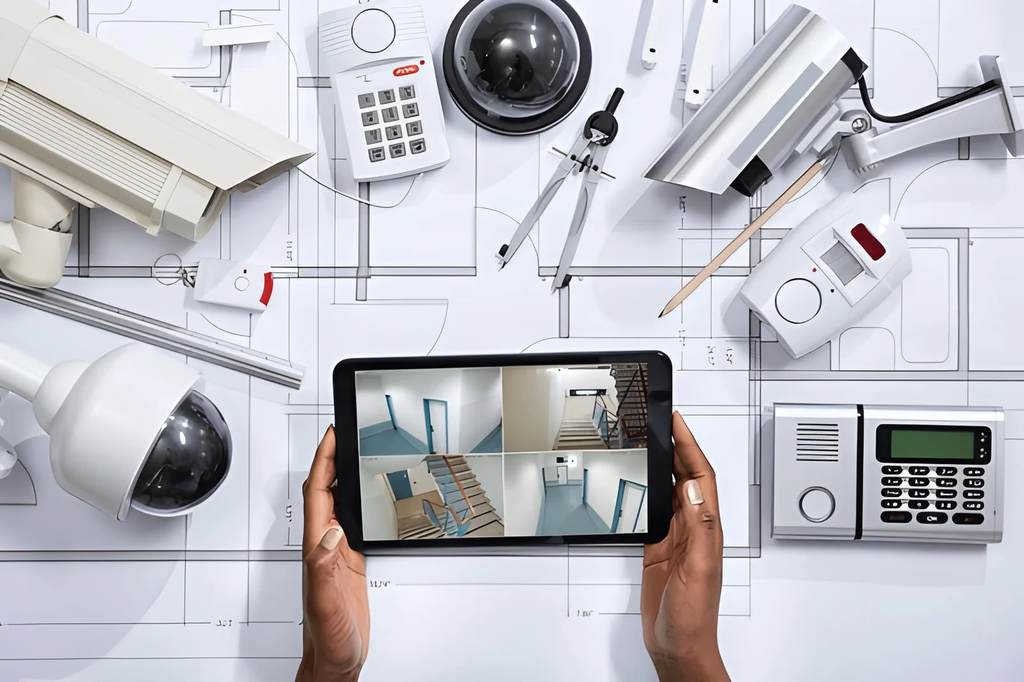
Smart devices that detect unusual household activity include door and window contact sensors, motion and presence sensors, cameras and video doorbells, glass-break and sound-detecting devices, water leak sensors, smart locks with access logs, and energy monitors. Each catches a different signal, so the best setup mixes a few types.
Match the Device to the Signal
| Signal | What it catches | Devices |
|---|---|---|
| Entry | Doors, windows, garage opening | Contact sensors, smart locks with logs, garage tilt sensors |
| Movement | People in rooms or yards | Motion sensors, presence sensors, cameras, video doorbells |
| Sound | Glass breaking, alarms | Glass-break sensors, smart speakers, cameras |
| Water and environment | Leaks, smoke, carbon monoxide, freezing | Leak sensors, smart smoke and CO alarms, temperature sensors |
| Power use | Odd appliance behavior or empty-house usage | Energy monitors, smart plugs |
Sound Detection Is Worth Knowing
Some smart speakers can listen for specific sounds. Alexa Guard can detect glass breaking and smoke or carbon monoxide alarms, but only when set to Away mode, and it is not a replacement for an alarm system or a life safety device and cannot contact emergency services on your behalf. Google’s sound detection for speakers and displays requires a Nest Aware subscription and a US address saved in the Home app, and the device should be in the same room as the smoke alarm, carbon monoxide alarm, or window. Features and plans change, so check the current app.
Set a Baseline First
Unusual only means something against normal. For one week, record what your sensors log without acting on it.
| Pattern | Normal? | Action |
|---|---|---|
| Motion at 7 a.m. in the kitchen | Yes | Ignore |
| Door opens at 2 p.m. on a workday | No | Alert immediately |
| Energy spike when the oven is on | Yes | Ignore |
| Power draw all night from a garage freezer | Maybe | Verify |
Use schedules so alerts differ by mode: home, away, and night.
A Simple Setup Plan
- Start with entry points. Contact sensors on exterior doors and ground-floor windows.
- Add leak sensors under sinks and next to the water heater.
- Add motion or presence sensors in hallways and main rooms.
- Use one camera or video doorbell at the front.
- Keep a monitored alarm if you want professional dispatch.
- Test each device monthly.
Privacy and Legal Note
Don’t place cameras or microphones where people expect privacy, such as bathrooms or guest bedrooms. Recording laws vary by state, especially for audio, so check yours. Tell household members and guests about devices that record. Short-term rental platforms often restrict indoor cameras. If you monitor a relative, get their consent and discuss what data you will see.
Mistakes to Avoid
The most common mistake is buying one device and expecting full coverage. Another is skipping the baseline, which creates false alerts that people start to ignore. Placing sensors poorly, such as motion sensors facing heat vents, is a third error. Relying on sound detection or smart speakers as your only protection is risky. Finally, don’t skip batteries and updates.
FAQ
Which device is best for a renter?
Battery-powered contact sensors, leak sensors, and a video doorbell are easy to install and remove.
Do these devices need Wi-Fi?
Most do for alerts. Some work locally but may need a hub.
Bottom Line: Detect by Signal, Not by Gadget
Smart devices that detect unusual household activity work best when matched to the signal: entry, movement, sound, water, or power. Set a baseline, build in layers, protect privacy, and keep professional alarms where safety matters. A small, well-placed set beats a pile of cameras.
Must visit https://designmode24.co/ for detecting household activities.