 Jessica
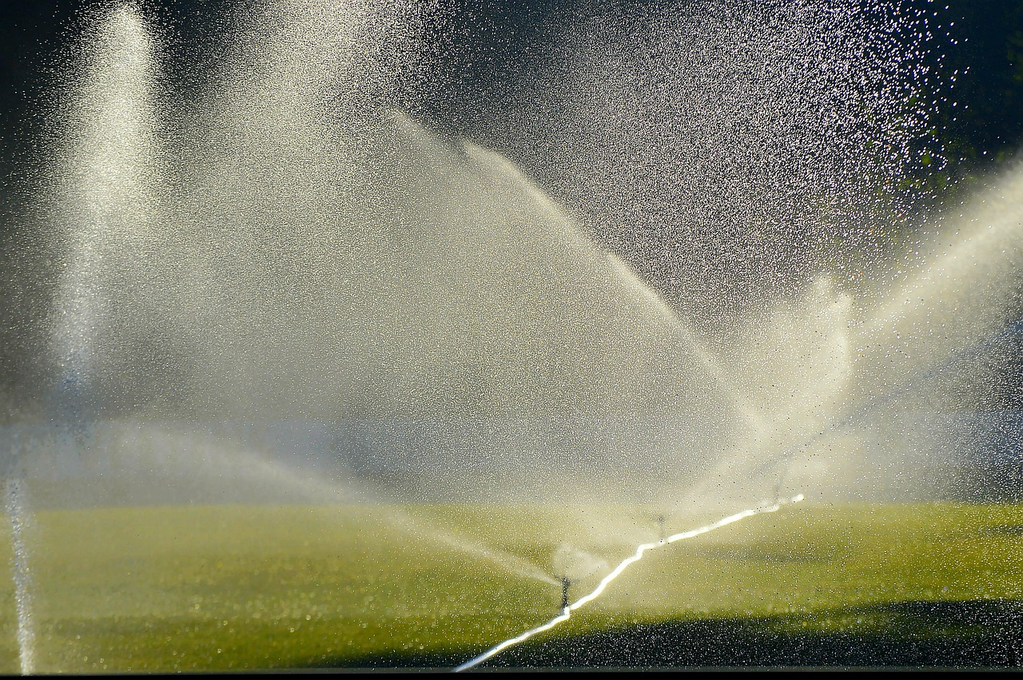
Sprinklers are the easiest thing in the yard to ignore. They run at 6 a.m. whether it rained last night or not, and they keep running on the same schedule in July and October. Most homeowners only notice when the water bill jumps or a patch turns swampy. So can smart irrigation systems reduce garden water usage, or are they just another gadget with an app?
For many yards they can, but the savings depend on setup more than on the device. A smart controller changes when and how much you water. It cannot fix a leaking pipe or a sprinkler spraying the driveway. This article explains what smart systems really do, what the EPA says about typical savings, and how to get results. You will find a quick answer, a comparison with clock timers, a table of control types, a three-layer savings model, a setup checklist, and the mistakes that waste water anyway. It suits US homes with in-ground sprinklers, drip lines, or hose timers. Read the quick answer first, then use the sections that fit your yard.
Can Smart Irrigation Systems Reduce Garden Water Usage?
Yes, usually. Smart irrigation systems adjust watering using weather data, soil moisture, or sensors, so they skip watering after rain and cut back in cool weather. EPA says replacing a standard clock controller with a WaterSense labeled weather-based controller can save an average home nearly 7,600 gallons a year. Results vary with climate, plants, and system condition.
Why Savings Are Possible
The average American family uses about 320 gallons of water per day, and about 30 percent goes outdoors, with more than half of that used on lawns and gardens. As much as half of outdoor water can be lost to wind, evaporation, and runoff from inefficient irrigation. That waste is the target.
Smart vs. Clock Controller
| Feature | Clock-based | Smart controller |
|---|---|---|
| Schedule | Fixed, and you must change it as seasons change | Adjusts automatically |
| Rain | Waters anyway unless a sensor is added | Skips or delays |
| Weather | Ignores it | Uses local data |
| Remote control | None | App control |
| Alerts | None | Often flags leaks or faults |
Types of Smart Control
| Type | How it works | Best for | Limit |
|---|---|---|---|
| Weather-based controller | Uses local weather and site settings | Most sprinkler yards | Needs accurate setup |
| Soil moisture sensor | Measures water in the root zone | Uneven or mixed beds | Sensor placement matters |
| Rain and freeze sensors | Pause watering in bad conditions | Simple add-on | Does not adjust amounts |
| Smart hose timer | Schedules a single hose zone | Small gardens, renters | Basic features |
| Smart drip kit | Targets roots with low flow | Veggie and flower beds | Needs a good layout |
If you want savings you can trust, look for WaterSense labeled products, since they are independently certified to meet EPA criteria.
The Three-Layer Savings Model
Savings come from three layers, and skipping one limits the others.
| Layer | What it fixes | Examples |
|---|---|---|
| When and how much | Timing and run time | Smart controller, rain delay |
| Where | Delivery to roots | Drip lines, proper spray heads |
| Maintenance | Leaks and misalignment | Replacing broken heads, adjusting spray, fixing leaks |
EPA estimates that regular maintenance by a WaterSense certified irrigation professional could cut household irrigation water by about 15 percent. A smart controller on a leaking system just waters smarter into the wrong place.
Setup Checklist
- Run an audit. Look for broken heads, leaks, and spray hitting pavement.
- Map your zones. Note sun, shade, soil, and plant type.
- Enter accurate settings. Slope, soil type, and sprinkler type affect run times.
- Water deeply and less often.
- Check after the first month. Compare your bills and look for dry or soggy spots.
- Review seasonally. Controllers should be programmed for efficiency with seasonal adjustment.
Check with your local water utility, since many US utilities offer rebates on certified controllers.
Mistakes to Avoid
The most common mistake is installing a smart controller on a system with leaks. Another is leaving default settings, which ignore your soil and sun. Putting a moisture sensor in the wrong spot is a third error. Mixing lawn and garden beds on one zone wastes water on one or the other. Finally, don’t ignore local watering rules.
FAQ
Do smart irrigation systems work without Wi-Fi?
Many keep a local schedule, but weather updates need a connection.
How long until I see savings?
Often within a billing cycle or two, after setup is right.
Bottom Line: Smart Irrigation Systems Save Water When the Basics Are Right
Smart irrigation systems can reduce garden water usage by adjusting timing and amounts, but savings depend on a sound layout and maintenance. Audit first, choose a certified controller, enter accurate settings, and check each season. Combine smart control with good delivery.
For smart irrigation system ideas must visit https://designmode24.co/