 Jessica
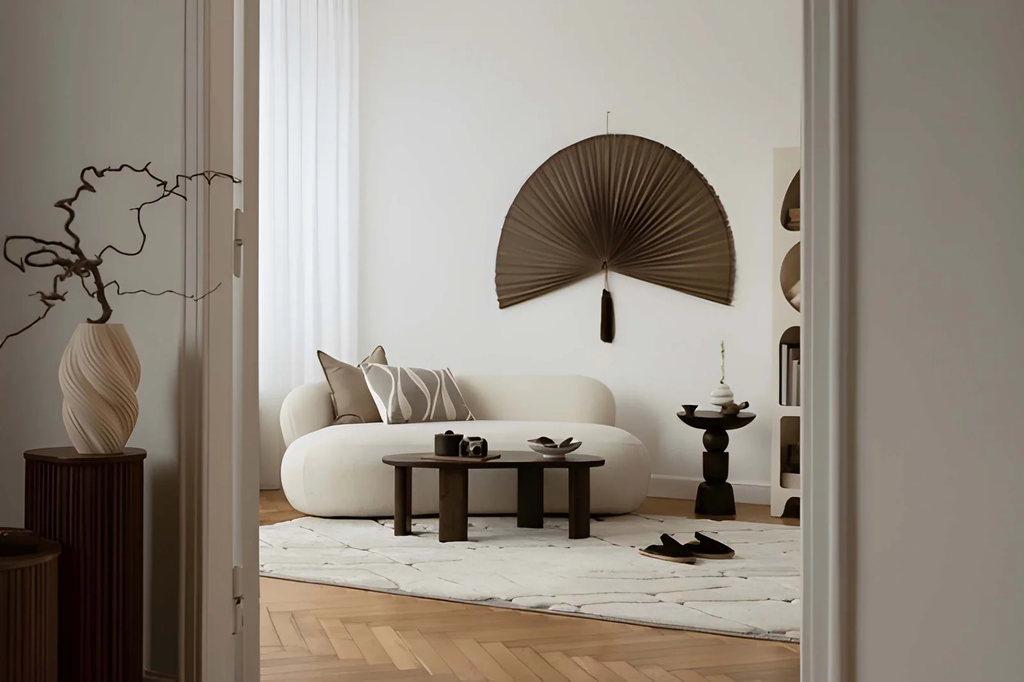
Step into a well-made Japanese room and the first thing you notice is what is missing. There is no pile of cushions, no wall of frames, no surface crowded with souvenirs. Yet the room does not feel empty. It feels settled. A single branch in a vase, a low table, and soft light through paper are enough to make you lower your voice. So what makes Japanese-inspired interiors so distinctive?
The answer lies in a handful of ideas that shape every choice, from how much space to leave open to which materials touch your hands. This article explains those ideas in plain terms. You will find a quick answer, a table of core principles, a guide to materials and color, a look at the genkan and other transition spaces, a starter plan for a single room, and the mistakes that turn the style into a cliché. It suits apartments and houses, and you do not need to buy anything labeled “zen.” Read the quick answer first, then use the sections that fit your home.
What Makes Japanese-Inspired Interiors Distinctive?
Japanese-inspired interiors stand out because they treat empty space as a design element, favor natural materials with visible grain, keep furniture low and simple, and use soft, diffused light. Nothing is there only for decoration, and each object is given room to be seen. The result is calm without feeling bare.
The Core Ideas Behind Japanese-Inspired Interiors
| Idea | Meaning | How it shows up |
|---|---|---|
| Ma | Meaningful empty space | Clear floor, one object per shelf |
| Wabi-sabi | Beauty in age and imperfection | Handmade bowls, worn wood |
| Kanso | Simplicity | Few items, plain forms |
| Shizen | Naturalness | Wood, paper, stone, plants |
| Yohaku | Quiet margin, left on purpose | Blank wall around a single scroll |
These are cultural concepts with long histories, and no single table covers them fully. Treat them as design prompts, not rules. Ma is the key one. Western rooms tend to ask, “what should go here?” Japanese-inspired interiors ask, “what happens if nothing does?”
Materials, Color, and Light
Texture does the work that pattern does elsewhere. Look for materials where you can see the grain, weave, or hand of the maker.
| Element | Typical choices | Effect |
|---|---|---|
| Wood | Hinoki, cedar, ash, oak | Warm, light, quiet grain |
| Paper and fiber | Shoji-style screens, washi shades, tatami or woven mats | Soft light, gentle texture |
| Stone and clay | Ceramics, river stones, plaster | Grounded, matte surfaces |
| Color | Warm whites, beige, charcoal, moss | Low contrast, easy on the eye |
| Light | Paper lanterns, low lamps, indirect glow | No harsh overhead glare |
Light is the secret ingredient. Shoji screens diffuse daylight so it spreads without glare. At home you can copy the effect with sheer curtains, paper shades, and lamps placed low. Avoid a single bright ceiling light.
Low Furniture and the Floor
In traditional Japanese rooms, people sit and sleep close to the ground, so furniture stays low. This lowers the visual line of the room, which makes ceilings feel higher and walls feel calmer. You do not have to give up your sofa. A low platform bed, a low coffee table, and floor cushions can shift the proportions without changing how you live. If you need pieces in this style, you can browse [anchor text] to compare heights and materials.
Transition Spaces: Genkan and Engawa
Two features explain a lot about the culture. The genkan is a small entry area where shoes come off and outside stays outside. The engawa is a narrow veranda that links the house to the garden. Both soften the boundary between indoors and out.
You can borrow the idea with a bench and a shoe rack by your door, or a plant and a chair by a window. These small buffers make your home feel like a separate, calmer place.
Starting Small: One Room Plan
- Clear first. Remove half of what is on surfaces and see how the room feels.
- Choose one natural material. Wood is the easiest.
- Lower the light. Swap harsh bulbs for warm ones and add a paper shade.
- Add one living element. A branch, a bonsai, or a single stem.
- Keep one blank area. Leave a wall or shelf partly empty on purpose.
Mistakes That Make the Style Feel Like a Cliché
The most common mistake is decorating with symbols instead of principles. A room full of Buddha statues and bamboo prints is not Japanese-inspired interiors, it is a theme. Another is going cold and sparse. Japanese rooms rely on warm wood, soft textiles, and tactile objects. Finally, do not copy proportions without checking comfort. Low seating that hurts your knees will not be used, so adapt the style to your body.
FAQ
Is this style the same as minimalism?
Not exactly. Minimalism focuses on reduction, while Japanese-inspired interiors also value texture, imperfection, and the beauty of age.
Can I mix it with other styles?
Yes. Many homes combine it with Scandinavian simplicity, since both favor light wood and uncluttered spaces.
What colors work best?
Warm whites, beige, charcoal, and muted greens. Keep contrast low and let texture do the work.
Does it work in small apartments?
It suits them well, since its core idea is doing more with less.
Bottom Line
Japanese-inspired interiors are distinctive because they value space, natural materials, soft light, and imperfection over decoration. Start by removing, then add one natural material, one warm light, and one living element. Aim for calm that feels lived in.
For japanese-inspired interiors must visit https://designmode24.co/