 Jessica
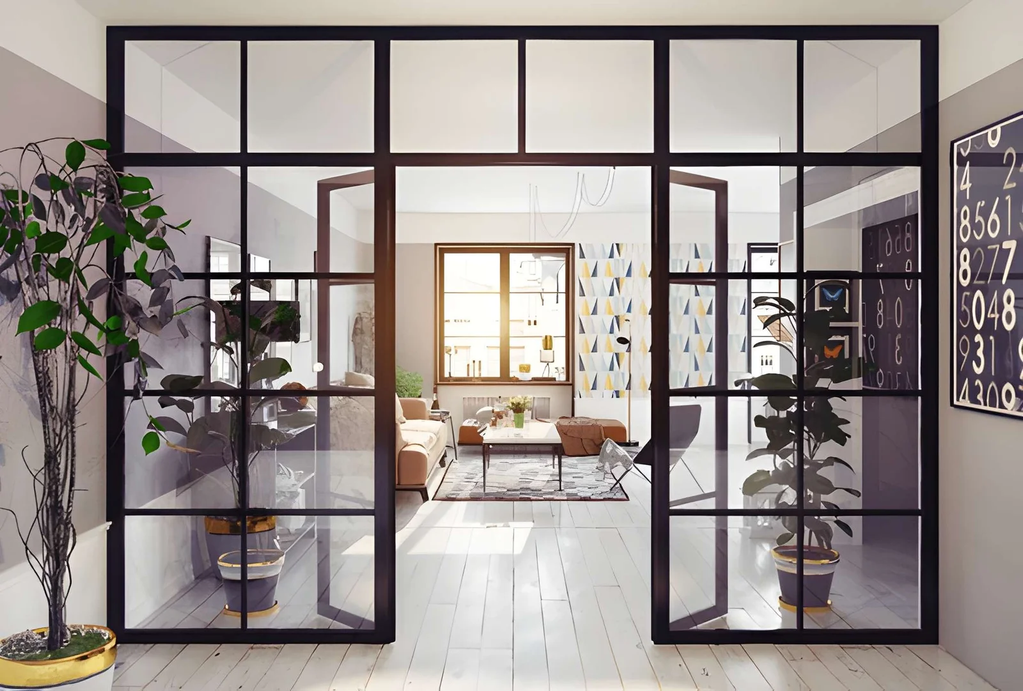
Walls do two jobs at once: they divide a space and they block light. In a small flat or a deep, narrow house, that second job is the problem. The kitchen gets no daylight, the hallway feels like a tunnel, and the home office is dark by mid-afternoon. That is the main reason glass partitions are showing up in so many new builds and renovations. So why are glass partitions becoming popular in modern homes?
The short answer is that they separate rooms without cutting them off. This article explains the real reasons behind the trend, and it also covers the downsides that photos tend to hide, such as noise, privacy, and fingerprints. You will find a quick answer, a table comparing partition types, a privacy and sound guide, safety basics, a planning checklist, and the mistakes that lead to regret. The advice suits apartments, family houses, and home offices. Read the quick answer first, then jump to the sections that match your project.
Why Are Glass Partitions Becoming Popular?
Glass partitions are popular because they divide a room while letting daylight pass through. They make small homes feel larger, keep sightlines open, and add a modern look. Compared with solid walls, they are often thinner, and many can be fitted without major structural work. Privacy and sound can be added with the right glass.
Types of Glass Partitions Compared
| Type | Look | Privacy | Best for |
|---|---|---|---|
| Framed (steel or aluminum) | Industrial, crisp lines | Low unless frosted | Kitchens, studies |
| Frameless | Minimal, almost invisible | Low | Small flats, bathrooms |
| Reeded or fluted | Soft, textured | Medium | Hallways, bedrooms |
| Frosted or etched | Blurred, calm | High | Bathrooms, offices |
| Sliding glass doors | Flexible | Adjustable | Open-plan living |
What Homeowners Actually Gain
| Benefit | How it works |
|---|---|
| More daylight | Light passes into inner rooms |
| Larger feel | The eye reads the whole space |
| Smell and noise reduction | A closed pane stops cooking smells |
| Flexible layouts | Doors or sliders open when needed |
| Easier supervision | Parents can see kids or pets |
The odor point is why glass partitions are common around kitchens. You keep the open look of an open-plan layout, but fumes and grease stay in the cooking area. That middle ground is exactly what many families want.
Privacy and Sound: The Honest Trade-Offs
Glass partitions are not the same as walls. A single pane blocks far less sound than a solid, insulated wall, so a home office with a glass front will still pick up conversation from the living room. Laminated glass or double-glazed panels improve this, and good door seals matter even more than the glass itself.
For privacy, you have options without losing light. If you need a clear look in the day and privacy at night, consider these:
| Option | Effect | Note |
|---|---|---|
| Frosted film | Blurs shapes | Cheap, can be removed |
| Reeded glass | Distorts view | Looks premium |
| Curtains or blinds | Adjustable | Adds a soft layer |
| Smart glass | Switches clear to opaque | Costs more, needs power |
Safety and Quality Basics
Always ask for safety glass. Tempered glass breaks into small, blunt pieces, and laminated glass holds together when cracked. Both are widely used in doors and partitions. Check local building rules, since requirements for glass in doors, bathrooms, and stairwells differ by country. A qualified installer should confirm the thickness for the panel size, because tall, wide panels need thicker glass and proper fixings.
If you are comparing suppliers, you can check [anchor text] to see typical glass types and finishes before requesting quotes.
A Planning Checklist
- Decide the main goal. Light, smell control, privacy, or all three.
- Measure the opening and the floor. Floors must be level, since uneven floors make doors stick.
- Choose privacy first. Clear glass is hard to undo, but frost can be added later.
- Plan for cleaning. Glass shows fingerprints. Keep a microfiber cloth nearby and avoid fixing panels in awkward, hard-to-reach gaps.
- Check storage and wiring. Allow for power and lighting on both sides.
Mistakes to Avoid
The most common error is using clear glass where people need real privacy, such as a bedroom or bathroom. Another is expecting a glass partition to behave like a wall for sound. A third is forgetting that everything behind the glass becomes part of the view. A messy desk or pantry is on display, so plan storage on that side. Finally, avoid ordering panels before checking the floor and ceiling with a spirit level, because small errors cause large gaps.
FAQ
Are glass partitions safe for homes with children?
Yes, if you use tempered or laminated glass and have it installed properly. Add decals at child height so small children do not walk into clear panels.
Do glass partitions make a home colder or hotter?
Interior partitions have little effect on temperature, but they do let heat and air move more freely between rooms than a closed wall.
Can glass partitions be moved later?
Framed systems can often be removed or reconfigured. Check this with your installer before choosing.
Are glass partitions expensive?
Costs vary widely by glass type, size, and finish, so get several quotes.
Bottom Line
Glass partitions are popular in modern homes because they bring daylight into inner rooms, make small spaces feel larger, and keep cooking smells in their place. They are not perfect for sound or privacy, so choose reeded, frosted, or double-glazed glass where it matters. Plan around cleaning, storage, and safety, and the partition will earn its place.
For glass partitions ideas in modern homes must visit https://designmode24.co/