 Jessica
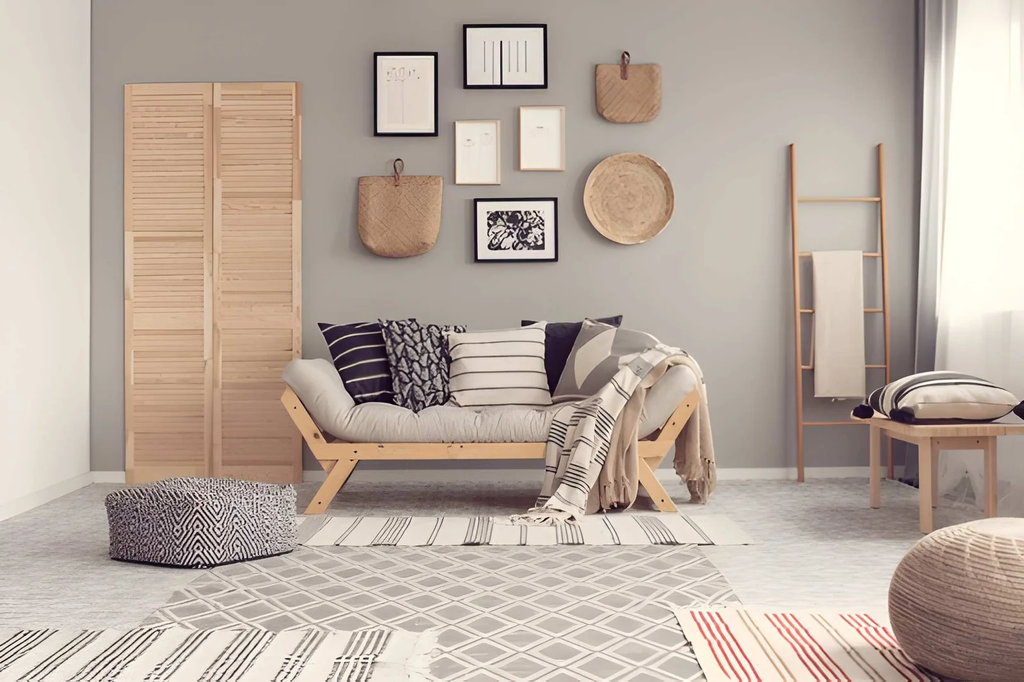
Search for “minimalist home” and you will find white rooms with almost nothing in them. Search for Scandinavian rooms and the images look similar at first glance: pale walls, light wood, a simple sofa. Yet one feels cold and the other feels like a place you could stay all winter. The difference is easy to miss and hard to name. So what makes Scandinavian interiors different from other styles?
The answer comes from climate. In northern Europe, winter days are short and dark, so homes were designed to catch every bit of light and to feel warm without being heavy. That single problem shaped the colors, materials, furniture, and habits of the whole style. This article explains those differences in plain terms. You will find a quick answer, a comparison with three other styles, a materials and color guide, a lighting section, a one-room starter plan, and the mistakes that turn the look into a cold showroom. It suits apartments and houses alike. Read the quick answer first, then use the sections that fit your home.
What Makes Scandinavian Interiors Different?
Scandinavian interiors differ from other styles because they are designed around scarce daylight. They use pale walls and light woods to reflect light, soft layered textiles for warmth, simple functional furniture, and many low lamps and candles. The goal is comfort and calm, not emptiness, which separates the style from stricter minimalism.
Scandinavian Interiors Compared With Other Styles
| Feature | Scandinavian | Minimalist | Boho | Industrial |
|---|---|---|---|---|
| Main goal | Cozy and bright | Reduction | Free expression | Raw, urban |
| Colors | Soft white, grey, muted tones | White, black, grey | Rich, varied | Dark neutrals, metal |
| Materials | Light wood, wool, linen | Glass, steel, concrete | Rattan, macramé, mixed | Brick, iron, concrete |
| Decor | A few personal items | Almost none | Many layers | Few, utilitarian |
| Feeling | Warm and calm | Cool and clean | Eclectic | Edgy |
The key contrast is with minimalism. Minimalism removes. Scandinavian rooms edit, but they keep soft things that make a space livable.
Colors and Materials
The palette stays quiet so light does the work. Texture adds warmth in place of color.
| Element | Typical choice | Why it works |
|---|---|---|
| Walls | Warm or soft white | Bounces daylight |
| Floors | Pale oak, ash, or birch | Keeps the room bright |
| Accent colors | Dusty blue, sage, charcoal, muted clay | Adds depth without noise |
| Textiles | Wool, sheepskin, linen, knit | Brings warmth and comfort |
| Metal | Matte black or brushed brass | Subtle contrast |
Wood tones matter most. Choose light, even-grained woods and avoid heavy dark stains if you want the true look. If you want pieces in this style, you can browse [anchor text] to compare wood tones and shapes before buying.
Light: The Real Secret
Light is the clearest dividing line between Scandinavian interiors and other styles. Windows are often left uncovered or dressed with thin curtains. Mirrors bounce daylight deeper into the room. After dark, the focus shifts to warm, low lighting.
| Light type | What is used | Effect |
|---|---|---|
| Daylight | Bare windows, sheer curtains | Maximizes brightness |
| Evening light | Table lamps, floor lamps, candles | Creates a soft glow |
| Bulb warmth | Around 2700K | Warm, relaxed mood |
| Overhead | Used sparingly, dimmable | Avoids harsh glare |
Many Scandinavian homes light candles daily during winter, which is part of the cultural idea of cozy, relaxed togetherness often called hygge in Denmark. Different Nordic countries have their own words and habits, so treat this as one example, not a single national rule.
Furniture and Layout
Furniture is simple, functional, and well made. Legs are often slim and slightly tapered, which keeps rooms feeling open. Pieces rarely match exactly, but they share a tone or material. Storage is built in or hidden, so surfaces stay clear. Layouts favor open floor space, clear walkways, and seating arranged for conversation.
A One-Room Starter Plan
- Paint or choose pale walls. A soft white works in most light.
- Clear the surfaces. Keep only things you use or love.
- Add one wood piece. A light oak table or shelf anchors the look.
- Layer textiles. A wool throw, a linen cushion, and a rug.
- Swap the lighting. Use warm bulbs and two or three lamps.
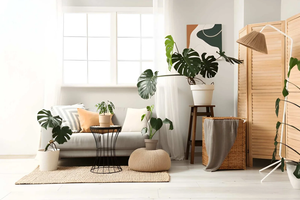
- Bring in greenery. One or two plants add life.
Mistakes That Make the Style Feel Cold
The most common mistake is stopping at white. A white room with no texture feels like a hospital. Another is copying the look with cheap pieces that feel flimsy, since the style depends on quality materials. Too many tiny decor items also ruin the calm. Keep decor to a few objects with meaning. Avoid cool, blue-white bulbs, which make the room feel stark. Finally, do not force the style where daylight is poor. Use mirrors and lighter colors to make up for it.
FAQ
Is Scandinavian style the same as minimalism?
No. Both value simplicity, but Scandinavian interiors add warmth through textiles, wood, and soft lighting.
What colors define the style?
Soft white, grey, pale wood tones, and muted accents like sage, dusty blue, or clay.
Can I mix Scandinavian style with other styles?
Yes. It pairs well with Japanese-inspired and mid-century looks, since all favor simple forms and natural materials.
Does it work in small homes?
It suits them well, because light colors and clear surfaces make rooms feel larger.
Bottom Line
Scandinavian interiors stand out because they are built around light, warmth, and simple function. Keep walls pale, choose light woods, layer soft textiles, and use warm lamps. The result is a calm space that feels welcoming, not empty.
For scandinavian interiors must visit https://designmode24.co/