 Jessica
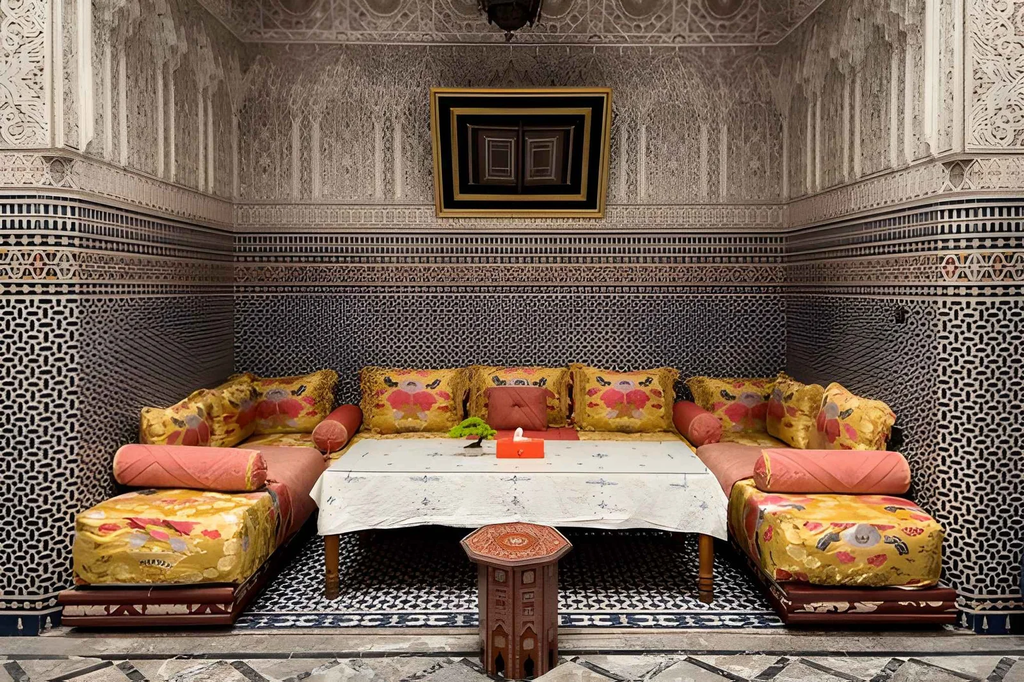
Step into a traditional Moroccan courtyard house and the outside world drops away. The street is loud, but the doorway opens onto a quiet, sunlit square with a fountain, carved plaster, and tiles that seem to change color as the light moves. Every surface has been worked by hand, yet nothing feels crowded. So what makes Moroccan-inspired interiors so fascinating?
The answer is a mix of climate, craft, and layered detail. Thick walls, shaded courtyards, and small openings were built for heat, and artisans then decorated those surfaces with pattern, color, and metal. This article explains the features that define the look and how to borrow them without turning your home into a theme. You will find a quick answer, a table of signature features, a color and material guide, a lighting section, a one-room plan, a respectful sourcing note, and the mistakes that flatten the style. It suits apartments and houses alike. Read the quick answer first, then use the sections that fit your space.
What Makes Moroccan-Inspired Interiors Fascinating?
Moroccan-inspired interiors are fascinating because they combine handmade pattern, rich color, layered textiles, and light that moves through screens and lanterns. Arches, tiles, carved wood, brass, and plaster create depth. Rooms feel enclosed and calm, yet full of detail, which is why they reward a closer look.
Signature Features at a Glance
| Feature | What it is | Effect in a room |
|---|---|---|
| Zellige tile | Hand-cut glazed clay tiles in geometric designs | Shimmering, uneven color |
| Arches | Horseshoe or pointed openings | Soft, framed views |
| Tadelakt or lime plaster | Polished, water-resistant plaster | Smooth, glowing walls |
| Carved cedar and wood screens | Latticework such as mashrabiya-style screens | Filtered light and privacy |
| Brass and metal lanterns | Pierced metal with patterned shadows | Warm, dappled light |
| Rugs and textiles | Wool rugs, cushions, poufs | Comfort and color |
| Courtyard or central focus | Open space with plants or water | Cool air and calm |
These terms come from long craft traditions, and Morocco’s regions have their own styles, so treat this table as a simplified summary.
Color and Material Guide
Moroccan palettes pull from the land and the craft traditions.
| Color | Common source | Pairs with |
|---|---|---|
| Terracotta and clay | Earth, plaster, pottery | Cream, sand |
| Deep blue | Tile, painted doors | White, brass |
| Saffron and ochre | Spice, sun, dyes | Rust, brown |
| Green | Tile, mint tea culture, gardens | Cream, wood |
| Warm white | Walls | Any accent |
For materials, the look depends on texture you can feel.
| Material | Use | Care note |
|---|---|---|
| Hand-cut clay tile | Floors, walls, fountains | Seal grout, expect small variation |
| Polished plaster | Walls, bathrooms | Needs skilled application |
| Wool and cotton | Rugs, throws | Vacuum gently, rotate rugs |
| Carved wood | Doors, screens, furniture | Keep dry, wipe with a soft cloth |
| Brass and copper | Lanterns, trays | Polish or leave to age |
If you want finishes and decor in this style, you can browse [anchor text] before you plan your palette. Handmade pieces vary, so order samples first.
Light, Pattern, and Layering
Light is part of the design. Pierced metal lanterns throw patterned shadows, and carved screens break harsh sun into soft shapes. At night, many small, low light sources work better than one bright fitting.
| Light source | Effect | Tip |
|---|---|---|
| Pierced lanterns | Patterned, moving shadows | Hang at different heights |
| Candles or LED candles | Warm glow | Use safe holders, never near fabric |
| Table lamps with textured shades | Soft pools of light | Warm bulbs, around 2700K |
| Window screens | Filtered daylight | Keep views partly open |
Layering is the other key. Rugs overlap, cushions vary in pattern, and low seating creates a relaxed, social feel. Keep one color family strong so the pattern feels rich instead of messy.
A One-Room Plan
- Pick one anchor. A patterned tile floor, an arched niche, or a deep color wall.
- Add low seating. Cushions, a pouf, or a banquette in warm tones.
- Layer rugs. One large neutral rug with a smaller patterned one.
- Hang lanterns. Use two or three in different sizes.
- Add brass and wood. A tray table, a carved mirror, or a small screen.
- Include greenery. A potted plant or herbs near the window.
Use the Style Respectfully
Moroccan-inspired interiors come from living cultures and skilled artisans. Where possible, buy from makers or reputable sellers who pay craftspeople fairly and say where pieces were made. Avoid mixing symbols without understanding them, and avoid copying religious motifs as simple decoration. Learn what a pattern means before using it. Authentic pieces cost more, so buy fewer and choose well.
Mistakes That Flatten the Style
The most common mistake is using too many pieces at once. A room with every pattern, lantern, and cushion becomes a stage set. Another is cheap imitation, where printed vinyl pretends to be tile and plastic imitates brass. Skipping texture is a third problem, because the style depends on touch. Keep walls simple if the floor is bold. Finally, do not ignore practical issues such as slippery tiles, damp-prone plaster, or candles near fabric.
FAQ
What colors suit the style?
Terracotta, deep blue, saffron, green, and warm white are common.
Can I use it in a small apartment?
Yes. Choose one or two features, such as a rug, lantern, and cushions.
Is it expensive?
It can be, if you choose handmade tile and plaster. Textiles and lanterns are more affordable.
Does it suit modern homes?
Yes, when you use a few handmade pieces against calm walls.
Bottom Line
Moroccan-inspired interiors are fascinating because they pair craft, color, and moving light in rooms that feel enclosed and calm. Choose one anchor feature, layer textures, light the room softly, and buy thoughtfully. A few well-made pieces say more than a full theme.
Must visit https://designmode24.co/ for moroccan-inspired interiors.