
 Jessica










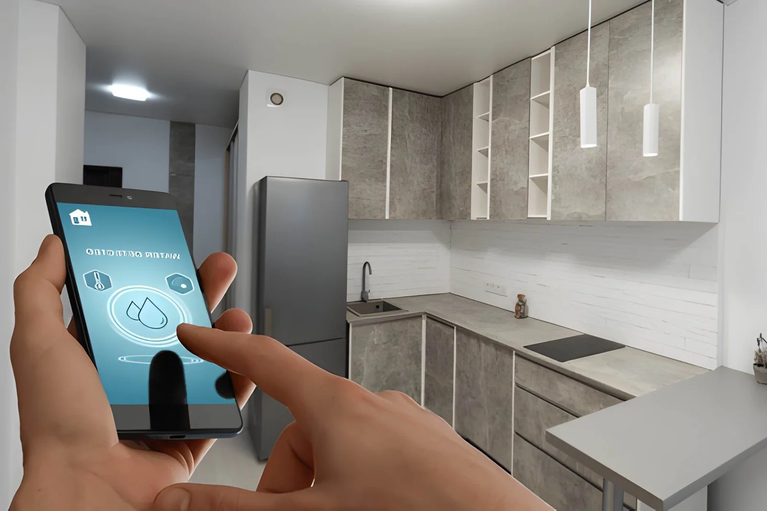

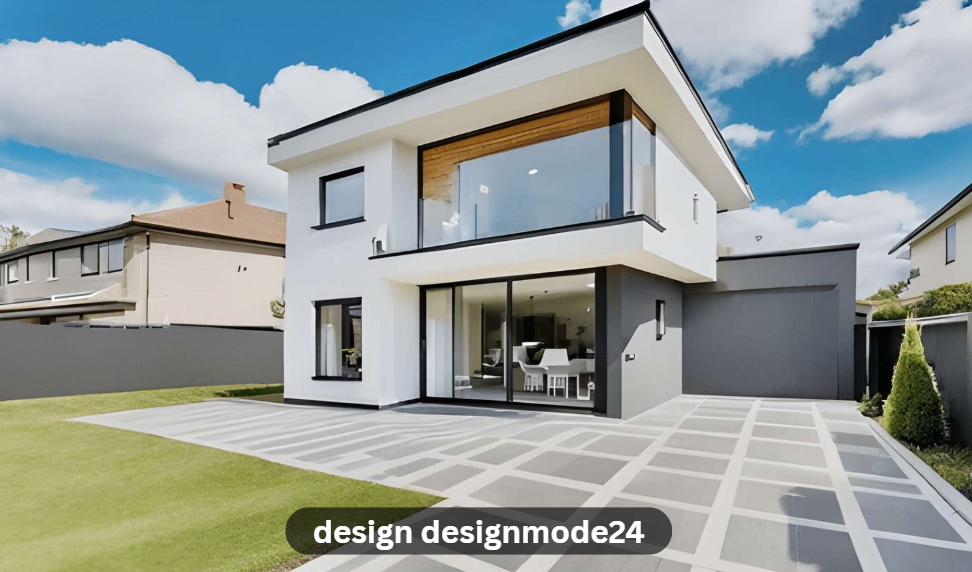
Most home design content tells you what looks good. It rarely tells you why something works — or why it fails in your specific space. That gap is exactly what design DesignMode24 addresses.
Whether you’re redoing a single room or rethinking your entire home, the approach here is built around one idea: your space should work for your life, not just photograph well. They’re the ones where the lighting makes sense, the furniture fits the room, the colors behave correctly throughout the day, and every decision had a reason behind it.
This guide covers what US homeowners need to know in 2026 — color direction, furniture scale, lighting layers, texture, small-space logic, and sustainability.
What Does Design DesignMode24 Actually Mean?
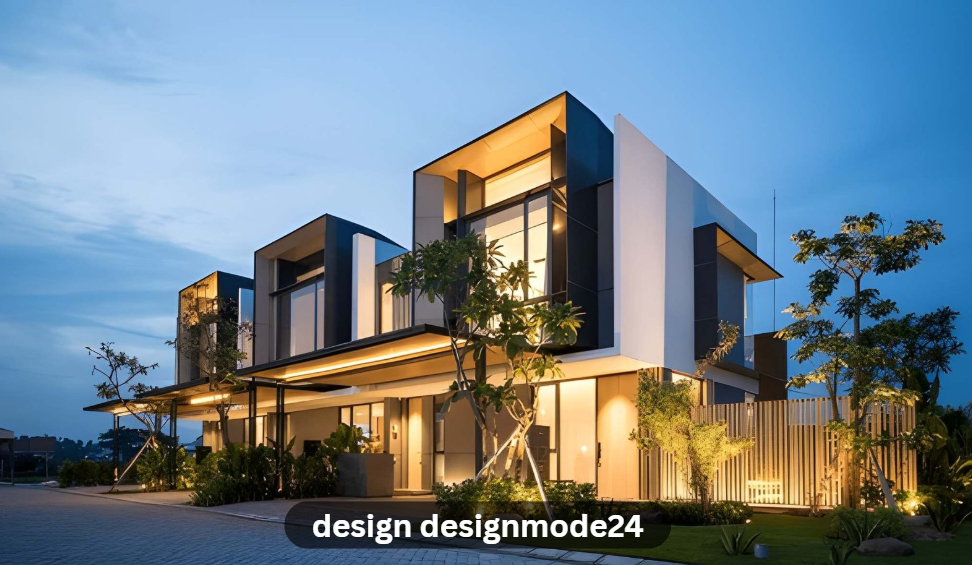
Designmode24 design is not a single aesthetic or a style rulebook. It’s a framework for intentional decision-making across every part of a home — from the paint on the wall to the lamp beside the sofa.
The core principle is simple: every choice in a room should serve two purposes. It should look right, and it should work right. When those two goals conflict, function should usually win. A beautiful sofa nobody wants to sit in is just expensive floor space.
| Design Principle | What It Means in Practice |
| Intentionality | Every piece chosen for a reason, not just because it was available |
| Scale awareness | Furniture sized correctly for the actual room dimensions |
| Layered lighting | Ambient, task, and accent light working together |
| Tactile variety | Mix of textures to prevent a room from feeling flat |
| Longevity over trend | Quality materials that age well rather than dating quickly |
This method distinguishes spaces that feel created from those that merely appear decorated.
Color in 2026: Warm, Grounded, and Personal
The design world spent years in cool grays and stark whites. That era is over.
The strongest color direction in American homes right now is warmth. Terracotta, deep olive, clay pink, warm beige, and earthy brown tones are showing up everywhere — not because they’re trendy, but because they’re genuinely calming to live with. They work in morning light, afternoon sun, and evening lamplight without swinging between moods the way cooler palettes do.
What to actually do with this:
For most rooms, start with a warm neutral base. Creamy whites and soft taupes give you flexibility to add personality through textiles and furniture later. A beige that reads warm at noon can go flat under incandescent light at 8pm.
One underused tactic: warm the ceiling slightly. Most people paint ceilings bright white, which reads cold. In a way that is difficult to describe but instantly apparent, a warm white or really pale cream brings the space together.
Furniture: Scale, Quality, and Function
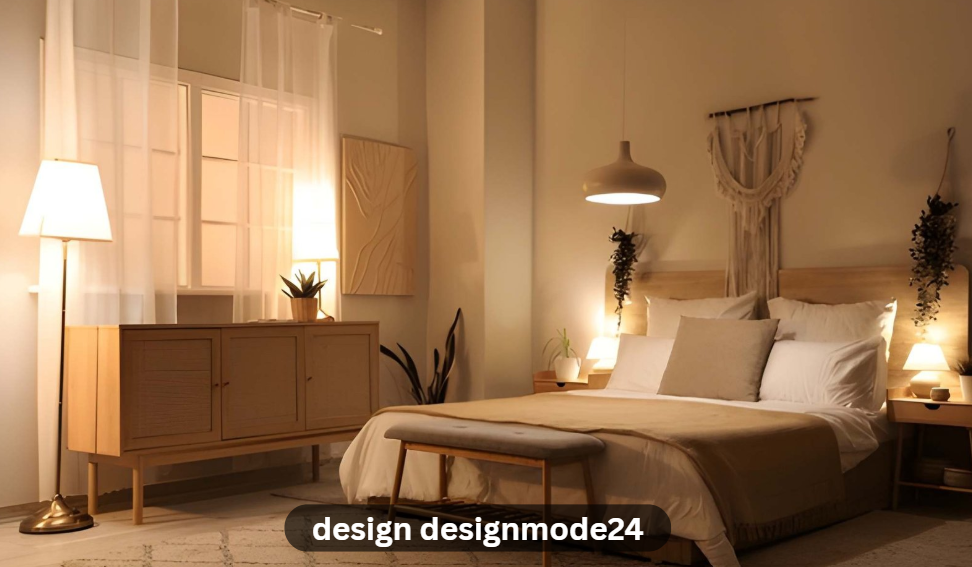
Scale is the most frequent furniture error in American houses. Pieces are either too large for the room or — more often than people expect — too small. A space feels disjointed if the rug doesn’t go beneath the front legs of every main seat. A coffee table with two feet of clearance on every side makes the space feel oversized.
The designmode24 interior design approach treats scale as the first question, not an afterthought. Before buying anything, measure the room and mark the furniture footprint on the floor with tape. It sounds basic. Most people skip it.
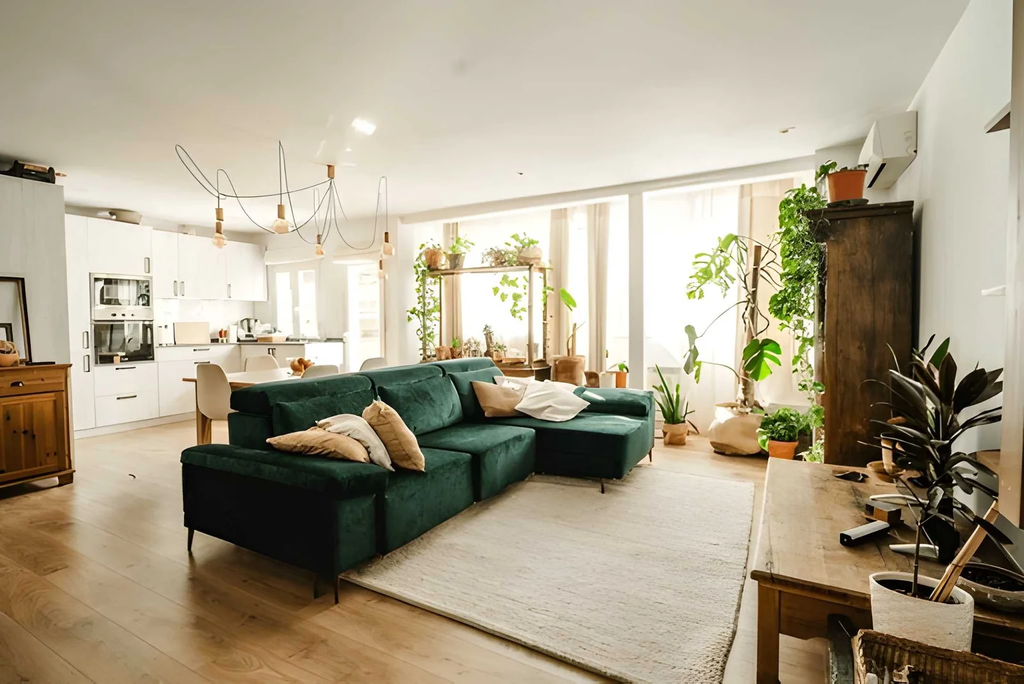
The shift in 2026: Comfort is back as a design priority. Deep, rounded, sink-into-it seating has replaced the slim-profile, thin-leg aesthetic that dominated the previous decade. This is a better direction for real homes. A sofa that serves as the focal point of a living room should seem like it belongs there rather than attempting to blend in.
On material quality: The conversation has shifted. Homeowners are buying less but choosing better. Natural upholstery, high-density foam cushions, and solid wood frames all have a fifteen to twenty-year lifespan. Fast-furniture alternatives last eighteen to thirty months before showing it.
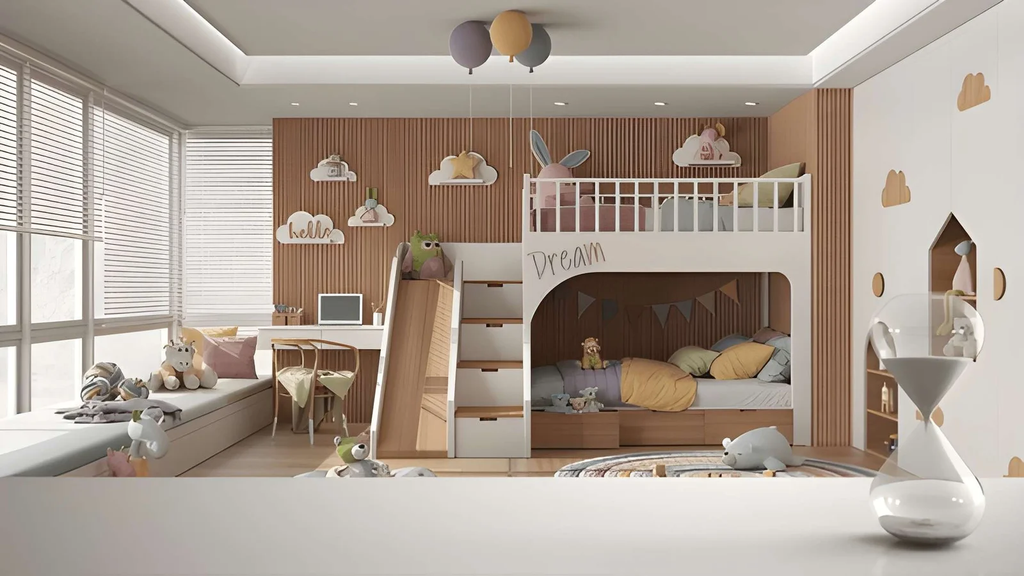
In smaller homes, multipurpose items like storage ottomans, extendable dining tables, and mattresses with built-in drawers should be prioritized. These are not compromises — they’re the right tool for the space.
Lighting: The Layer Most American Rooms Are Missing
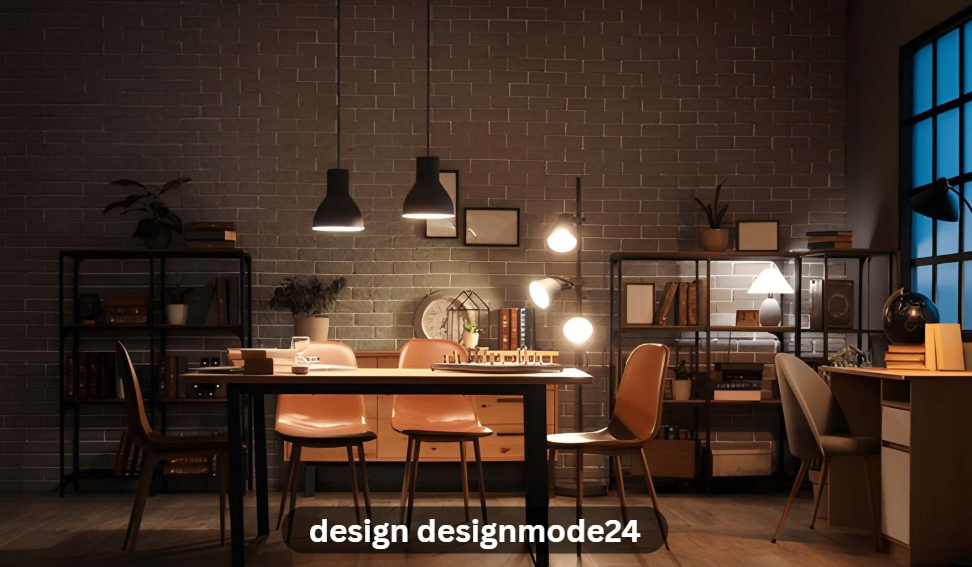
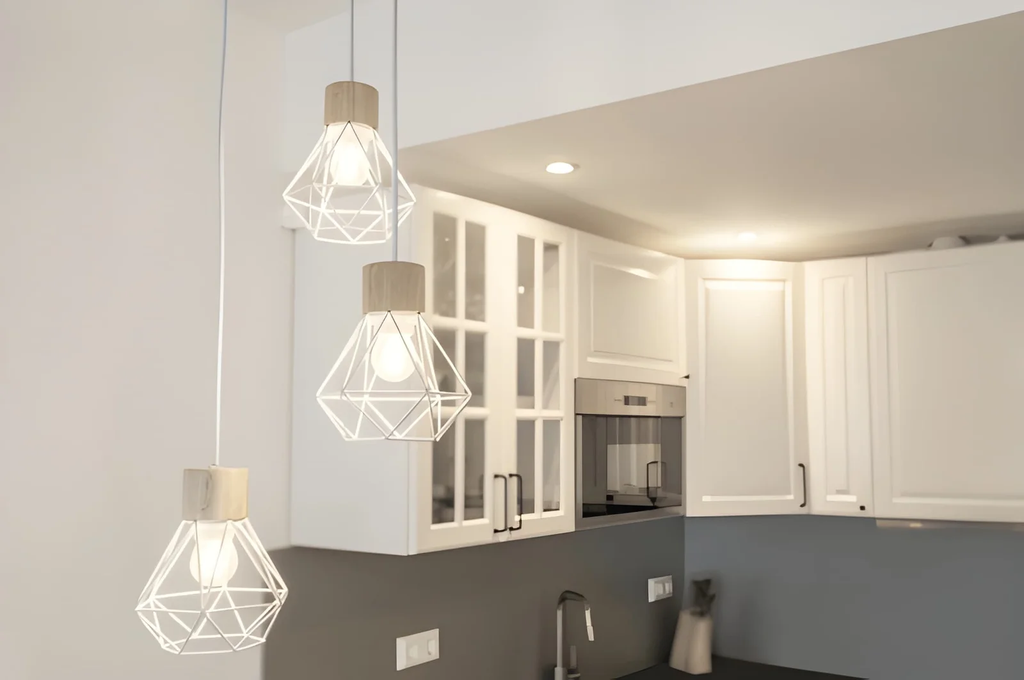
Single overhead fixture. That describes the lighting setup in most US homes, and it is the single biggest reason rooms feel flat or uncomfortable after dark.
Layered lighting is the fix — and it’s less complicated than it sounds.
| Lighting Type | Purpose | Example |
| Ambient | Base illumination for the whole room | Overhead fixture, recessed cans |
| Task | Directed light for specific activities | Reading lamp, under-cabinet strips |
| Accent | Highlights objects, architecture, texture | Picture light, shelf lighting |
Per the www. designmode24. com approach to interior planning, all three layers should be present in every primary room. The absence of task or accent lighting is usually what makes a room feel unfinished.
The highest ROI upgrade in any room: dimmer switches. They cost $15–$40 per switch, install in under 30 minutes, and let the same fixture serve completely different functions across the day. Most modern LED bulbs are dimmable.
Bulb temperature matters more than most people realize. Bulbs in the 2700K–3000K range produce the warm, cozy quality people associate with homes that feel comfortable. Anything above 4000K reads clinical and belongs in a workspace, not a living room.
Texture and Handcraft: What Stops a Room Feeling Empty
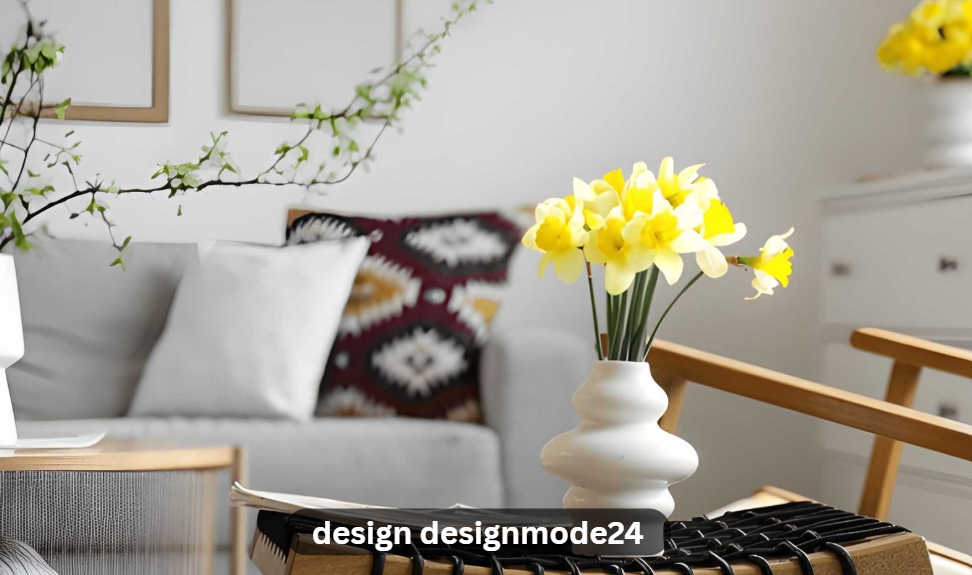
A room furnished entirely in smooth, synthetic surfaces looks correct on a screen and feels hollow in person. This is the gap between “Instagram room” and “home.”
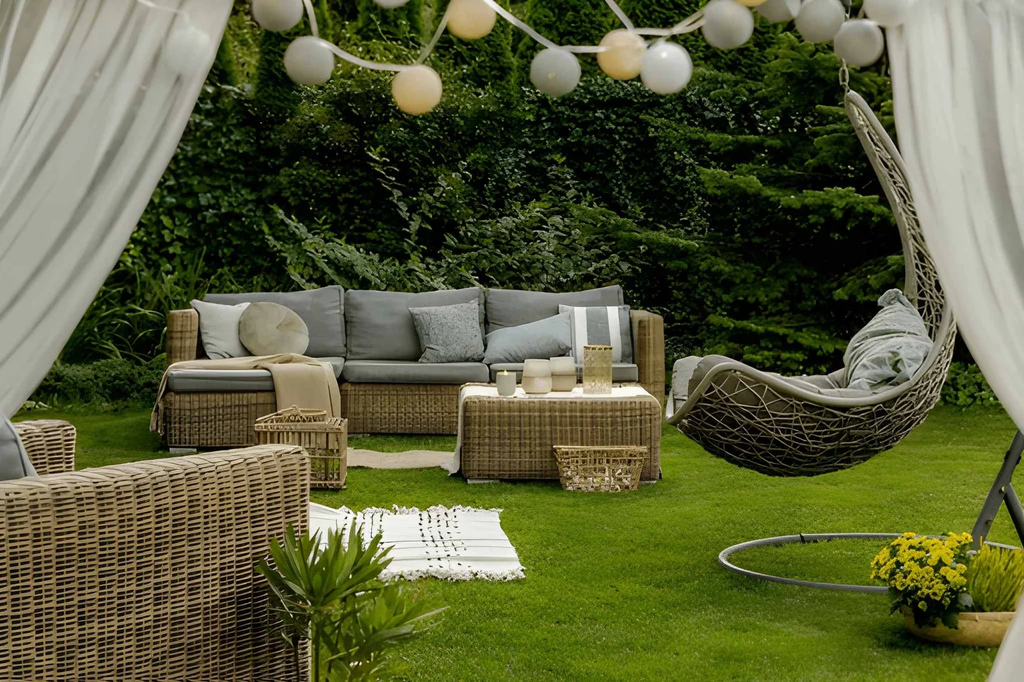
Mixing textures is how you close it. A woven throw, a rough clay pot, a soft rug, a wood-grain side table — together they create tactile richness that no single surface can achieve alone. Interior design references this regularly as one of the most underused tools available to any homeowner.
The handcraft revival is real. Handthrown ceramics, limewash walls, rough-hewn wood, hand-stitched cushions. After years of polished, highly manufactured interiors, there’s a genuine appetite for surfaces that show how they were made.
Vintage frames are worth mentioning here. A thicker gilded or wooden frame in a modern room adds soul without making the space feel dated. A few mixed into a contemporary room break the sterility in exactly the right way.
FAQ
What is design DesignMode24?
Design DesignMode24 is a home design approach built around intentional decision-making. Every choice — furniture, color, lighting, texture — serves both an aesthetic and a functional purpose. The goal is spaces that work well to live in, not just look good in photos.
How do I contact DesignMode24 for design services?
You can contact design designmode24 directly through our official website to reach our team for project inquiries and consultations.
What home design trends matter most in 2026?
Warm color palettes, comfort-forward furniture, layered lighting, handcrafted textures, and sustainability-focused material choices are the dominant directions in US homes this year.
How do I make a small room look bigger?
Use vertical space with tall shelving, place a large mirror opposite the main window, keep floors and walls in the same tonal family, and pull furniture away from walls to create defined zones.
Why does my living room feel flat even though I followed a design plan?
The most common cause is missing lighting layers. A single overhead fixture cannot create warmth or mood. Add task lighting beside seating and accent lighting on at least one wall or shelf.
Conclusion
The homes that work best aren’t chasing trends — they’re the result of deliberate choices. Right-sized furniture, layered lighting, a warm palette that holds up at 9pm, and surfaces that actually feel good to be around.
That’s the design approach in practice. Not a style. A way of making decisions before you make mistakes.
Pick one room. Measure it. Fix the lighting. Start there.