 Jessica
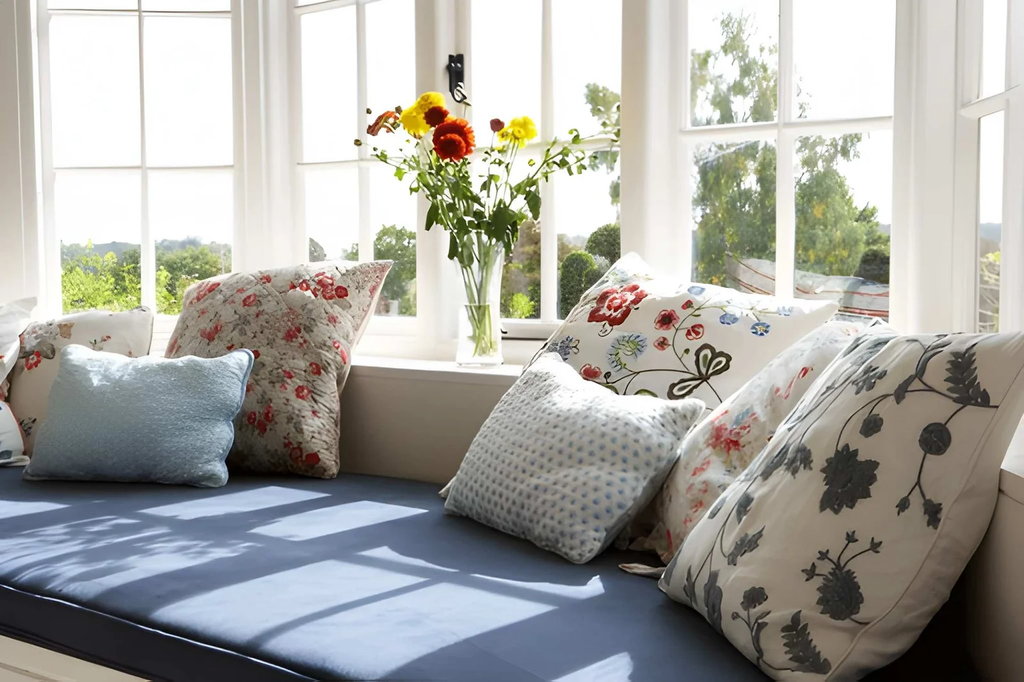
Ask people where they want to sit in a house and many will point to the window. A spot with daylight, a view, and a bit of enclosure feels better than the sofa in the middle of the room. A window seat gives that spot a proper home. It also turns a dead zone under a window into something you actually use. So why are built-in window seats popular in modern interiors?
The reasons are practical as well as pretty. A built-in seat adds sitting space, storage, and a focal point without taking floor area. It also suits small homes, where every square foot has to earn its place. This article explains why the idea keeps growing and how to plan one that works. You will find a quick answer, a table of benefits, a size and comfort guide, a materials chart, a build-or-buy checklist, and the mistakes that make a window seat go unused. It suits apartments, family homes, and renovations. Read the quick answer first, then use the sections that fit your window.
Why Are Built-In Window Seats Popular?
Built-in window seats are popular because they add seating, storage, and a cozy retreat in space that would otherwise go unused. They fit awkward or small rooms, frame the view, and make a plain window feel designed. They also suit modern interiors because they can be simple, clean, and tailored to the room.
What a Window Seat Gives You
| Benefit | How it works | Best for |
|---|---|---|
| Extra seating | Uses wall depth, not floor space | Small living rooms, bedrooms |
| Hidden storage | Drawers or lift-up lids below | Toys, blankets, shoes |
| Reading nook | Light, cushions, and a back to lean on | Quiet corners |
| Focal point | Draws the eye to the window | Plain walls |
| Fixes awkward spots | Fills bay windows and alcoves | Older homes |
| Flexible use | Seat, desk edge, or extra bed | Guest rooms, kids’ rooms |
This table reflects common design practice, so results depend on your room and use.
Size and Comfort Guide
A window seat only works if it is comfortable. These figures are common planning guidelines, so adjust for your household.
| Element | Typical guideline |
|---|---|
| Seat height | Around 16 to 18 inches including cushion |
| Seat depth | About 18 to 24 inches for sitting, more for lounging |
| Back support | Cushions or a paneled wall behind |
| Cushion thickness | Roughly 3 to 4 inches |
| Window sill height | Check that you can see out when seated |
| Storage depth | Drawers or lids that clear radiators and wall trims |
Measure the window first. A sill that sits too high or too low changes everything, so test it by sitting on a box of the right height before building.
Choosing Materials and Storage
| Material | Look | Notes |
|---|---|---|
| Painted MDF | Smooth, modern | Seal edges, and avoid wet areas |
| Plywood | Strong, visible grain | Good for drawers and lids |
| Solid timber | Warm, durable | Costs more, allow for movement |
| Upholstered base | Soft, cozy | Needs washable covers |
| Stone or tile top | Easy cleaning | Hard to sit on without cushions |
If you plan to compare joinery finishes and cushion fabrics, you can browse [anchor text] before you fix the design. Choose hinged lids with safe supports, so a lid cannot slam on small fingers.
Make It Work Through the Seasons
Windows lose heat in winter and gain it in summer, so plan for both. Do not block a radiator or vent. Leave a gap or use a grille so heat can pass. Add blinds or curtains that suit the window. In hot climates, shade the seat from strong sun to protect cushions from fading.
Build or Buy Checklist
- Measure the window and wall. Width, depth, sill height, and radiators.
- Check what is behind. Pipes, wiring, or ventilation may affect where you can fit storage.
- Choose your use. Reading, storage, extra bed, or desk edge.
- Decide on joinery or flat-pack. Custom fits awkward spaces best.
- Plan lighting. A wall light or lamp makes a nook usable in the evening.
- Test with a mock-up. Use boxes and cushions for a few days.
Window seats are straightforward for a skilled joiner. Alterations that involve structure or services need a qualified professional, and building rules vary by area.
Style Ideas for Modern Interiors
In a minimalist room, keep the seat flat, painted in the wall color, with a slim cushion. In a Scandinavian room, use pale wood and a wool throw. In a bay window, a curved seat follows the shape. In a family home, choose a deeper seat with drawers. One bold cushion fabric is enough to set the mood.
Mistakes That Make a Window Seat Go Unused
The most common mistake is making the seat too shallow, so people cannot sit comfortably. Another is poor lighting, since a dark nook is rarely used. A heavy, cluttered seat with too many cushions also feels crowded, so keep it simple. Ignoring heat is a third problem, as sitting over a cold or hot spot is unpleasant. Finally, avoid inaccessible storage. If opening it means moving furniture, nobody will use it.
FAQ
Are built-in window seats good for small rooms?
Yes. They add seating and storage without using floor space.
How deep should a window seat be?
Around 18 to 24 inches for sitting, and deeper if you want to lounge.
Can I use a window seat as a bed?
Yes, if the seat is long and deep enough. Check dimensions and comfort first.
Do I need a joiner?
For a custom fit, usually yes. Simple versions can be done with ready-made cabinets and a cushion.
Bottom Line
Built-in window seats are popular in modern interiors because they add comfort, storage, and character in space that would otherwise be wasted. Measure carefully, plan for heat and light, and choose materials that suit your use. A well-made seat becomes the place everyone wants to sit.
Must visit https://designmode24.co/ for built-in window seats.