 Jessica
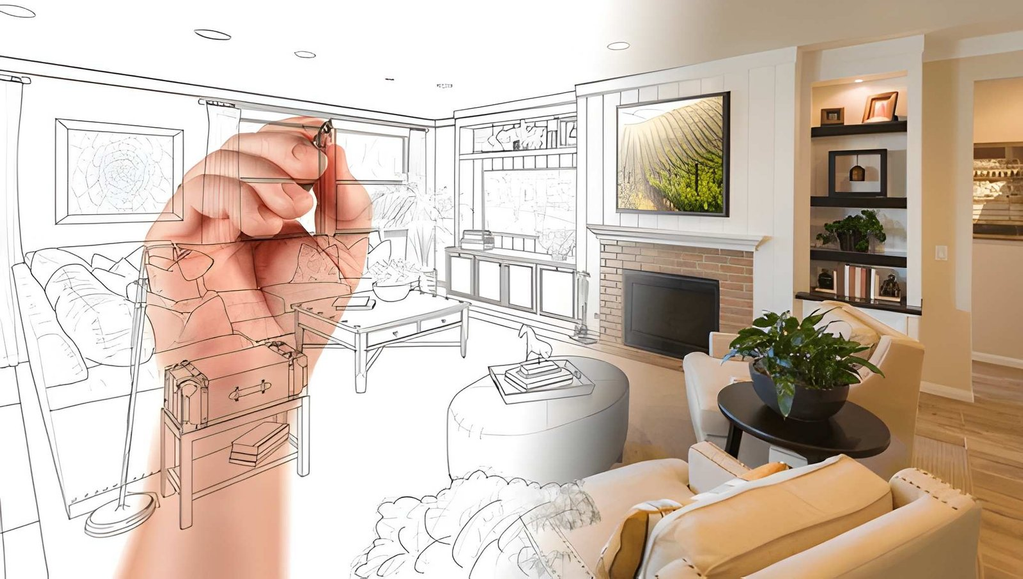
Redesigning a room sounds exciting until you’re three weeks in, over budget, and staring at a paint color you hate under afternoon light. Most homeowners jump into the fun parts — browsing Pinterest, picking fabrics — and skip the decisions that actually determine whether a room works. That’s where projects go sideways.
This guide walks through the real considerations before any redesigning project begins: budget, function, layout constraints, lighting, and a few things most people don’t think about until they wish they had. Whether you’re refreshing a living room or completely rethinking a bedroom, these steps save you time, money, and regret.
What’s the Room Actually For? Define Function First
Before picking a single color or piece of furniture, answer one honest question: how does this room get used day to day?
A living room that hosts movie nights needs different lighting than one used mainly for reading. A home office that doubles as a guest room needs furniture that pulls double duty. Redesigning without a clear functional brief almost always means buying things you’ll work around later.
Write it down. List everyone who uses the space, what they do there, and what the room currently fails at. That list becomes your interior design brief — and it’s more useful than any mood board.
Set a Real Budget (With a Buffer)
Here’s where most people underestimate. The redesigning budget conversation can’t just be “what I want to spend” — it has to include what you’ll actually need to spend once surprises come up.
| Budget Category | Recommended Allocation |
|---|---|
| Furniture & large pieces | 40–50% |
| Lighting | 10–15% |
| Textiles (rugs, curtains, cushions) | 10–15% |
| Paint & wall treatments | 5–10% |
| Accessories & art | 5–10% |
| Contingency buffer | 15–20% |
That contingency line isn’t optional. Subfloor damage when you pull up old carpet, an electrical outlet in the wrong place, furniture that doesn’t fit through the door — these happen. Budget for them before you start.
Measure Everything. Twice.
A sofa that looks perfect online can make a room feel like a furniture showroom if the scale is off. Before you commit to anything large, measure:
- Room dimensions (length, width, ceiling height)
- Door and hallway clearances for furniture delivery
- Window placement and sizes
- Existing outlet and switch locations
- Any architectural features that can’t move (radiators, support columns, built-ins)
Tape the footprint of large furniture pieces on the floor with painter’s tape. Walk around it. It sounds tedious, but it’s the fastest way to find out if a sectional will actually fit before you own one.
How Does Natural Light Move Through the Space?
Lighting is the single most underestimated variable in any redesigning project. Paint colors look completely different at 8 AM versus 6 PM. A north-facing room stays cool-toned all day. South-facing rooms get warm, saturated afternoon light.
Before you commit to a wall color or a fabric, spend a day watching how light moves through the room. Buy sample pots of paint and put them on multiple walls. Look at them in the morning, at noon, and at night with your actual artificial lights on.
| Room Orientation | Light Quality | Color Consideration |
|---|---|---|
| North-facing | Cool, flat, consistent | Warm tones balance the blue light |
| South-facing | Bright, warm, variable | Most colors read well here |
| East-facing | Warm morning, dim afternoon | Light colors keep it from feeling dark by 3 PM |
| West-facing | Dim morning, warm evening glow | Earthy tones work; avoid very dark walls |
What Stays and What Goes?
Most redesigning projects aren’t starting from a blank room. You have existing furniture, flooring, maybe fixed cabinetry. Get clear on what you’re keeping before you start designing around it.
Working with a professional in interior design can help you identify which existing pieces have visual value and which ones are silently making the room feel off. Sometimes the problem isn’t what you’re adding — it’s one piece that’s pulling the whole room in the wrong direction.
List every item and mark it: keep, replace, or unsure. The “unsure” items usually tell you where you actually need to spend.
5 Questions to Answer Before You Buy Anything
- Does this room need structural work first? Electrical, plumbing, and flooring problems don’t get easier to fix after the room is furnished.
- Who else lives with this decision? Redesigning a shared space without buy-in creates friction later.
- What’s your timeline? Custom furniture takes 8–16 weeks. If you have a hard deadline, plan around lead times.
- Do you need permits? Anything involving walls, plumbing, or electrical in most US states requires one.
- How will this room look in 5 years? Trends move fast. The goal of good design is a room that still feels right when the trend cycle has moved on.
Common Mistakes in Room Redesigning Projects
| Mistake | Why It Happens | How to Avoid It |
|---|---|---|
| Buying furniture before measuring | Excitement over planning | Measure first, shop second |
| Ignoring traffic flow | Focus on aesthetics | Walk the room’s natural paths before placing anything |
| Underestimating lighting needs | Light is invisible until it’s wrong | Plan ambient, task, and accent lighting separately |
| Skipping a contingency budget | Optimism | Add 15–20% before you start |
| Redesigning for the trend, not the life | Too much Pinterest | Ask “does this match how we actually live?” |
What should you consider before redesigning a room?
Before redesigning a room, define the room’s function, set a realistic budget with a 15–20% contingency, measure all dimensions including door clearances, observe how natural light moves through the space throughout the day, and decide which existing pieces to keep or replace. Address any structural issues — electrical, plumbing, flooring — before buying furniture or making cosmetic changes. Read more at https://designmode24.co/