 Jessica
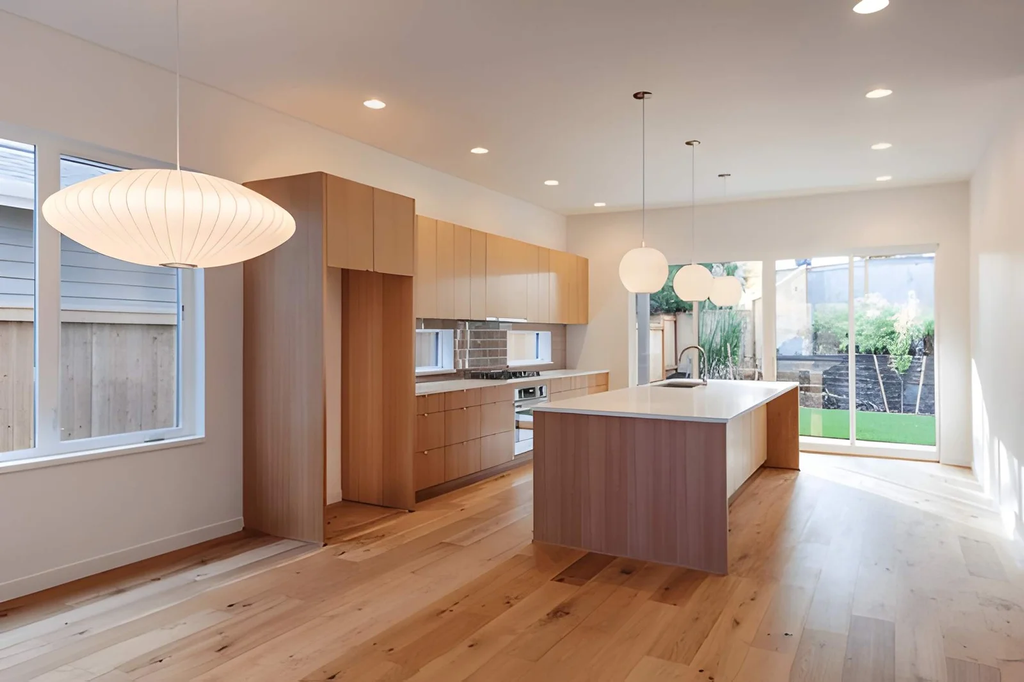
Few materials in home design generate the kind of consistent, cross-cultural, cross-era appeal that wood does. It appears in homes from ancient Japan to contemporary Scandinavia to modern American farmhouses. It’s been the primary structural and decorative material in residential construction for most of recorded history. And unlike nearly every other material that’s cycled in and out of design favor, wood has never had a genuinely unfashionable period — only unfashionable applications of it.
That track record raises a genuine question worth examining: is wood actually timeless, or is it so deeply embedded in residential design convention that we mistake familiarity for enduring quality? And if it is genuinely timeless, what makes it so — and are all applications of it equally durable in their aesthetic relevance, or do some wood choices date as quickly as any other trend?
This article gives honest answers to those questions. We’ll examine what makes wood perform so consistently across design periods, which applications are genuinely timeless versus which date quickly, how different wood species and finishes carry different longevity, and what US homeowners should consider before making significant wood investments in their homes.
Why Wood Has Outlasted Every Design Trend
To understand whether wood is genuinely timeless, it helps to examine why it performs so consistently rather than simply accepting that it does.
Biophilic connection. Humans spent most of evolutionary history in environments dominated by natural materials — wood, stone, water. Environmental psychology research consistently finds that exposure to natural materials, particularly wood, reduces stress biomarkers, improves mood, and creates feelings of warmth and safety that synthetic materials don’t replicate. This isn’t cultural — it’s biological, which is why wood’s appeal persists across cultures and periods that share almost nothing else aesthetically.
Visual complexity that doesn’t fatigue. Wood grain is visually complex without being visually demanding. The eye can rest on it without boredom and without the overstimulation that pattern produces. This quality — richness without aggression — is rare in materials and explains why wood works in both maximalist and minimalist contexts.
Aging behavior. Most materials degrade with age. Wood develops patina — a quality of visual depth that actually improves with time rather than diminishing. A well-maintained hardwood floor that’s fifty years old looks better than a new synthetic floor in most cases. The aging behavior is itself part of the material’s timeless quality.
| Why Wood Is Timeless | Design Implication |
|---|---|
| Biophilic appeal is biological, not cultural | Works across all style periods and demographics |
| Visual complexity without fatigue | Appropriate in both simple and layered interiors |
| Positive aging behavior | Increases in value and visual quality over time |
| Thermal and acoustic properties | Makes spaces feel warmer and quieter than hard alternatives |
| Workability | Can be shaped, repaired, and refinished — extends lifespan |
| Sustainable when sourced correctly | Increasingly relevant to contemporary values |
Which Wood Applications Are Genuinely Timeless
Not all wood applications age equally. Some applications of wood in home design have decades or centuries of continuous aesthetic relevance. Others date to specific periods or trends with surprising speed.
Timeless: Hardwood Floors
Wide-plank hardwood floors in natural or lightly finished oak, walnut, maple, or cherry have appeared consistently in desirable residential properties across every design period of the last century. They’ve never been unfashionable in quality residential construction and show no signs of becoming so.
The specific applications within hardwood flooring that carry trend risk are finish-related rather than material-related: dark espresso stains were heavily trendy in the 2000s and now read as dated. Grey-washed stains peaked in the 2010s and are following the same trajectory. Natural or lightly enhanced wood color — showing the wood’s actual tone rather than a stain applied over it — is the finish choice with the longest demonstrated aesthetic longevity.
| Hardwood Floor Finish | Trend Risk | Current Assessment |
|---|---|---|
| Natural / lightly enhanced | Very Low | Continuously relevant — no peak/decline pattern |
| Warm honey oak | Low | Classic — occasionally less fashionable but never wrong |
| Dark espresso stain | High | Peaked 2005–2015 — clearly dated in new installations |
| Grey wash | High | Peaked 2015–2022 — fading from contemporary relevance |
| White or bleached | Medium | Scandinavian influence — may date more than natural |
| Hand-scraped texture | Medium | Rustic trend-specific — less relevant in contemporary contexts |
Timeless: Exposed Wood Beams
Structural or decorative wood beams have appeared in residential interiors from Tudor England to Spanish colonial to contemporary farmhouse to Japanese minimalism. The application is genuinely cross-period in a way that few design elements are.
The material authenticity matters here: genuine reclaimed or solid timber beams have timeless quality because they carry visual weight and material integrity. Faux foam or lightweight synthetic beams intended to replicate the look without the cost frequently achieve neither authenticity nor longevity and date quickly.
Timeless: Quality Wood Furniture in Classic Forms
Solid wood furniture in traditional forms — dining tables, bed frames, shelving, chairs — has continuous residential relevance that manufactured alternatives don’t approach. A solid oak dining table is a purchase that can realistically last multiple generations. A similarly priced furniture piece in MDF or particleboard has a lifespan measured in years rather than decades.
The form matters alongside the material: furniture in classic proportions (not silhouettes specific to a trend period) ages better than furniture that signals its design moment through an unusual shape or construction.
Carries Some Trend Risk: Shiplap and Wood Paneling
Wood wall treatments — shiplap, board and batten, beadboard, paneling — are the wood applications that carry the highest trend risk in current US residential design. Shiplap’s association with a specific media-driven aesthetic trend means it reads as time-specific in a way that hardwood floors and beams don’t.
This doesn’t mean wood paneling is wrong — it means it’s more trend-specific than other wood applications and should be chosen with that consideration in mind.
| Wood Application | Timeless Quality | Trend Risk | Longevity Outlook |
|---|---|---|---|
| Hardwood floors (natural finish) | Very High | Very Low | Will remain relevant indefinitely |
| Exposed structural beams | Very High | Low | Cross-period appeal documented |
| Solid wood furniture (classic forms) | High | Low | Generational lifespan when quality |
| Wood kitchen cabinetry (natural) | High | Medium | Natural finish more durable than stained |
| Shiplap accent walls | Medium | High | Trend-specific — may date within a decade |
| Decorative wood accessories | Medium | Medium | Depends on form and finish |
| Wood-look vinyl or laminate | Low | Medium | Dates faster than material it imitates |
Wood Species and Their Different Aesthetic Longevity
Different wood species carry different visual characteristics and different design associations — which affects how they age aesthetically as well as physically.
| Wood Species | Visual Character | Best Applications | Longevity in US Residential |
|---|---|---|---|
| White oak | Neutral grain, warm grey-brown | Floors, furniture, cabinetry | Very High — most versatile and durable |
| Walnut | Rich dark brown, fine grain | Furniture, accents, cabinetry | Very High — consistently premium |
| Maple | Light, tight grain, pale | Floors, cabinetry, cutting surfaces | High — particularly in light interiors |
| Cherry | Warm reddish-brown, darkens with age | Furniture, cabinetry | High — peaks beautifully with age |
| Pine | Knotty, informal, warm | Rustic applications, ceilings | Medium — strong style association |
| Reclaimed barn wood | Weathered, grey-brown, textured | Accent walls, beams, furniture | Medium — trend-adjacent in current use |
| Bamboo | Light, uniform, contemporary | Floors, cabinetry | Medium — relatively recent, less proven |
White oak and walnut are the materials with the longest and most consistent residential design precedent in the US market. Both have appeared across style periods without strong trend association, which is the clearest indicator of genuine timeless quality.
Frequently Asked Questions
Is wood really timeless or is it just currently popular?
The evidence supports genuinely timeless rather than currently popular. Wood has maintained continuous residential relevance across documented design periods stretching back millennia — not as a trend that peaks and recedes but as a baseline expectation of quality residential construction. No synthetic material has achieved comparable longevity of aesthetic relevance. The biological basis for wood’s appeal — biophilic connection — suggests this pattern will continue.
Which wood finish ages best in a home?
Natural and lightly enhanced finishes that show the wood’s actual color and grain consistently outperform stained finishes in longevity. Stained finishes — particularly dark espresso and grey-wash — are trend-adjacent: they peak, decline, and eventually read as dated in a way that natural finishes don’t. The safest long-term investment is the finish that shows the most wood and applies the least artificial color.
Is engineered wood or solid wood more timeless?
Solid wood is more timeless for two reasons: it develops patina differently (more authentically) and it can be refinished repeatedly, extending its useful life across decades. Engineered wood is more dimensionally stable and appropriate for below-grade applications — it’s a legitimate material choice, not a compromise — but it doesn’t age the same way and can typically only be refinished once or twice. For longevity, solid wood is the better investment where conditions allow.
Does wood work in modern and minimalist interiors or only in traditional ones?
Wood works in minimalist and contemporary interiors as effectively as in traditional ones — arguably more so, because in a spare environment each material element carries more visual weight. Scandinavian minimalism, Japanese Wabi-Sabi aesthetics, and contemporary US design all rely heavily on wood as the primary warm element against neutral backgrounds. The style doesn’t determine whether wood works; the species, finish, and form determine how it works within the style.
What’s the most timeless wood investment a US homeowner can make?
Hardwood floors in white oak or walnut with a natural or lightly enhanced finish. They have the longest documented aesthetic longevity of any residential wood application, increase in value and visual quality with age, and add measurable resale value to US properties in virtually every market. After flooring, solid wood dining or kitchen table in a classic form is the furniture investment with the longest realistic lifespan.
The Bottom Line
Wood is genuinely timeless — not as a matter of convention or familiarity but because its appeal is grounded in biological human responses that don’t follow trend cycles. No synthetic material has demonstrated comparable, sustained aesthetic relevance across design periods and cultures.
The qualification is that not all applications of wood are equally timeless. Hardwood floors in natural finishes, exposed beams, and solid furniture in classic forms have cross-period relevance. Trend-specific applications — shiplap, grey-washed stains, heavily textured treatments — carry the same obsolescence risk as any other trend-driven decision.
Invest in wood where it has the longest precedent. Choose natural finishes over stained ones. Buy solid over engineered where conditions allow. And treat the material’s aging behavior as an asset rather than a concern — the wood in your home that develops the most character is almost always the piece that was worth the most in the first place.
For more timeless woody materials must visit https://designmode24.co/