 Jessica
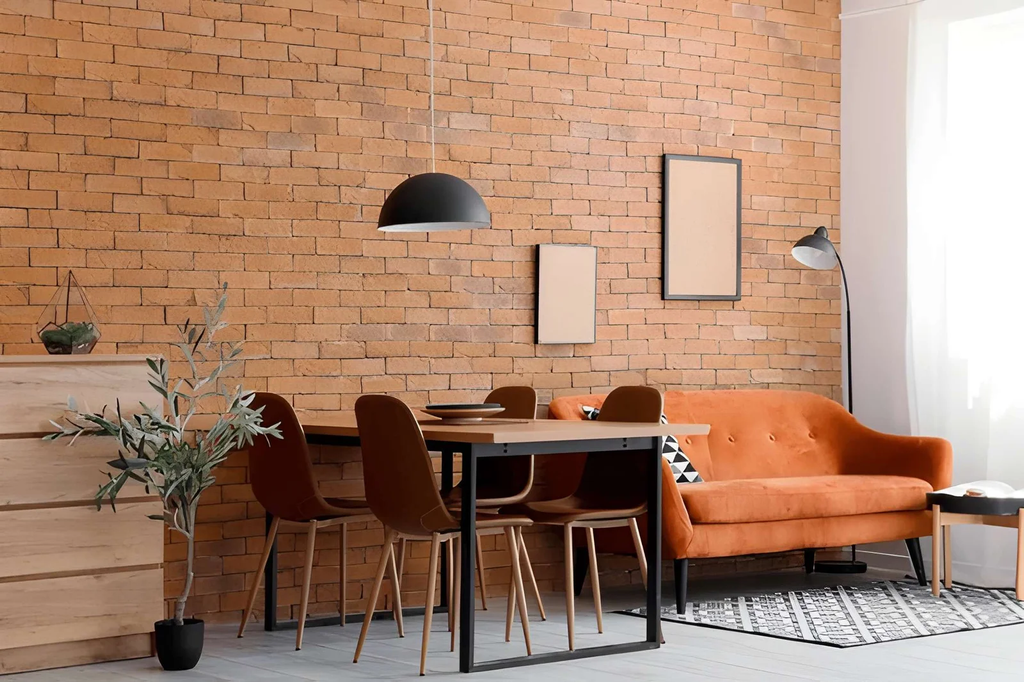
Most decorating styles try to hide how a building works. Industrial style does the opposite. Brick is left bare, ducts stay visible, and steel beams are treated as features instead of problems to cover up. The look began in old factories and warehouses that people converted into homes, and it kept the honesty of those buildings. So what makes industrial-style interiors unique?
The answer is that the structure becomes the decoration. Instead of adding pattern and ornament, the style relies on raw materials, big open volumes, and simple, hard-working objects. Done well, it feels confident and warm. Done badly, it feels like a cold garage. This article explains what defines the look and how to get the balance right. You will find a quick answer, a comparison with other styles, a materials guide, a lighting section, a softening plan, a starter checklist, and the mistakes that make the style feel harsh. It suits lofts, apartments, and ordinary houses. Read the quick answer first, then use the sections that fit your home.
What Makes Industrial-Style Interiors Unique?
Industrial-style interiors are unique because they show the building’s structure and use raw, utilitarian materials as the main decoration. Exposed brick, concrete, steel, and ducts combine with large windows, open layouts, and function-first furniture. Worn finishes and metal lighting add character, while wood and textiles keep the look from feeling cold.
Industrial Style Compared With Other Styles
| Feature | Industrial | Minimalist | Farmhouse | Scandinavian |
|---|---|---|---|---|
| Main idea | Show the structure | Remove the excess | Cozy, rural | Light and warm |
| Typical materials | Brick, steel, concrete | Smooth, plain surfaces | Painted wood, linen | Pale wood, wool |
| Colors | Gray, black, rust, tan | White, black, gray | Cream, sage, soft blue | Soft white, muted tones |
| Finish | Worn, raw, matte | Clean, flawless | Distressed, handmade | Natural, soft |
| Mood | Bold, urban | Calm, spare | Homey | Bright, cozy |
The sharpest contrast is with minimalism. Minimalism wants flawless surfaces. Industrial style likes marks, patina, and age.
Materials That Define the Look
| Material | Where it appears | Care note |
|---|---|---|
| Exposed brick | Feature walls | Seal if it sheds dust |
| Polished or sealed concrete | Floors, counters | Seal against stains |
| Steel and iron | Beams, shelving, window frames | Protect from rust in damp rooms |
| Reclaimed wood | Tables, shelves, beams | Check it is treated and stable |
| Glass | Large windows, partitions | Use safety glass where needed |
| Leather | Sofas, chairs | Choose worn-in tones |
If you want fixtures and finishes in this style, you can browse [anchor text] before you plan your palette. Never expose old wiring, pipes, or structure without a professional check, and be careful with old paint or insulation in older buildings, which can contain hazardous materials.
Light and Lighting
Large windows are a signature. Many industrial-style interiors have tall, steel-framed glazing that floods a room with daylight. At night, lighting does the work of character.
| Fitting | Effect | Tip |
|---|---|---|
| Pendant with metal shade | Classic factory look | Hang low over tables |
| Exposed filament bulbs | Warm, glowing | Use dimmable, warm bulbs |
| Track or spot lights | Highlights brick and art | Aim to graze textured walls |
| Wall-mounted swing arms | Task light, saves space | Place by chairs and beds |
| Floor lamps | Soft glow in big rooms | Add a second light source per zone |
Choose warm bulbs, around 2700K, since cool white light makes raw surfaces feel harsh.
Keep It Warm: The Softening Plan
The biggest risk is coldness. Balance every hard surface with something soft.
| Hard element | Soft partner |
|---|---|
| Concrete floor | Large wool or jute rug |
| Brick wall | Warm lamp and wood furniture |
| Steel shelving | Books, plants, ceramics |
| Leather sofa | Linen or knit throws |
| Metal windows | Simple curtains or blinds |
A useful rule of thumb is to include at least one warm natural material, such as wood or leather, in every room. Plants help a great deal, since green softens gray tones.
Starter Checklist
- Find the structure. Look for brick, beams, or concrete you can reveal or highlight.
- Choose a dark, limited palette. Gray, black, tan, and one warm accent.
- Add one strong metal element. Shelving, a lamp, or window frames.
- Bring in wood. A reclaimed table or shelf warms the room.
- Layer lighting. Use pendants, a floor lamp, and a dimmer.
- Soften. Rug, throws, and plants.
If your home has no real industrial features, you can imitate them with brick-effect tiles, metal-framed shelves, and simple factory-style lamps, though real materials usually look better.
Mistakes That Make the Style Feel Harsh
The most common mistake is using only hard surfaces. Concrete, steel, and glass together bounce sound and feel cold. Another is making everything black or gray, which can make a room feel heavy, so keep light walls or large windows. Overusing “factory” props, like fake signs and bolts, turns the look into a theme. Ignoring comfort is a third problem, since a stylish chair that nobody wants to sit in is a waste. Finally, be careful with damp and heat. Exposed pipes and ducts can be noisy or cold, and raw brick can shed dust.
FAQ
Can I do industrial style in a small apartment?
Yes. Use a few key pieces, such as a metal shelf, a concrete-look surface, and a pendant lamp.
Is it expensive?
It can be affordable, since many materials are raw and simple. Reclaimed items vary in price.
What colors work best?
Gray, black, tan, rust, and deep green, with wood tones for warmth.
How do I keep it from feeling cold?
Add textiles, warm lighting, wood, and plants to every room.
Bottom Line
Industrial-style interiors stand out because they celebrate structure and raw materials instead of covering them. Keep the palette limited, use metal and wood honestly, light the room warmly, and soften hard surfaces with textiles and plants. The result is a space with real character, not a cold warehouse.
Must visit https://designmode24.co/ for industrial-style interiors.