 Jessica
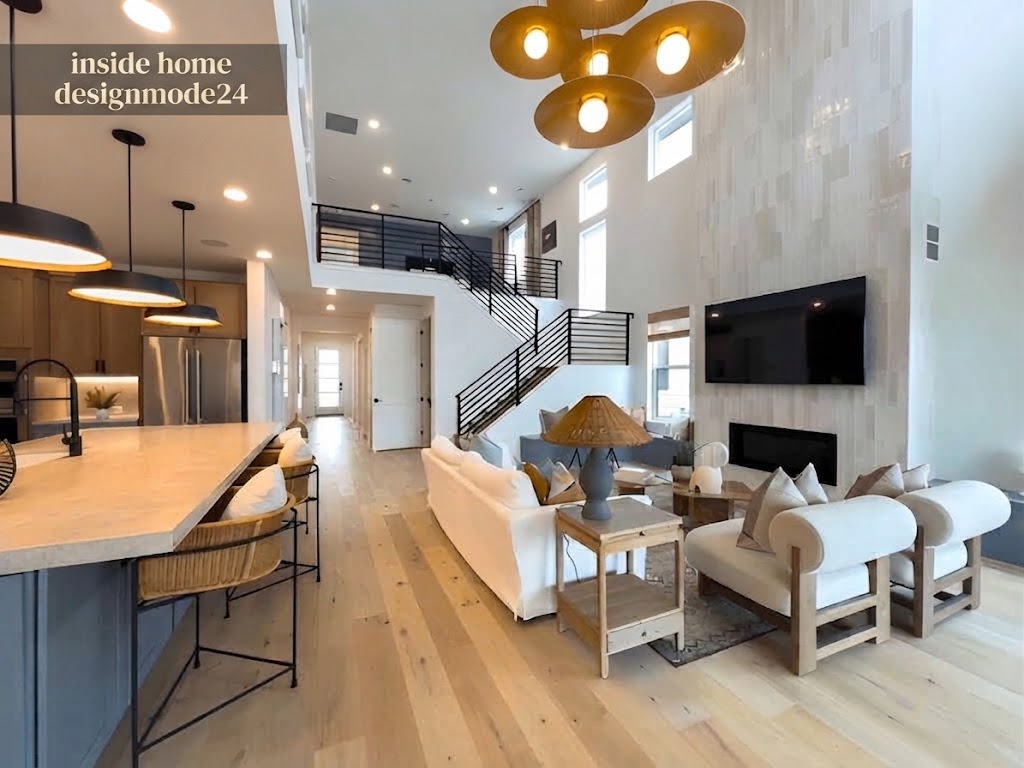
Walk into any redesigned home in America right now and something feels different. Warmer. More personal. Less like a showroom and more like someone actually lives there.
That shift isn’t accidental. Inside home design in 2026 has quietly moved away from the cold grays and stark minimalism that dominated the last decade. What’s replaced it is harder to pin to a single trend — it’s more of a collective exhale. Homeowners are layering textures, committing to bold color in unexpected places, and choosing materials that feel real under your hand.
This article breaks down the 12 looks showing up in living rooms, kitchens, bedrooms, and bathrooms across the country right now. Some are easy weekend changes. Others require a weekend and a contractor. All of them are worth knowing before your next update — whether you rent a studio in Chicago or own a four-bedroom in Austin.
1. Color Drenching
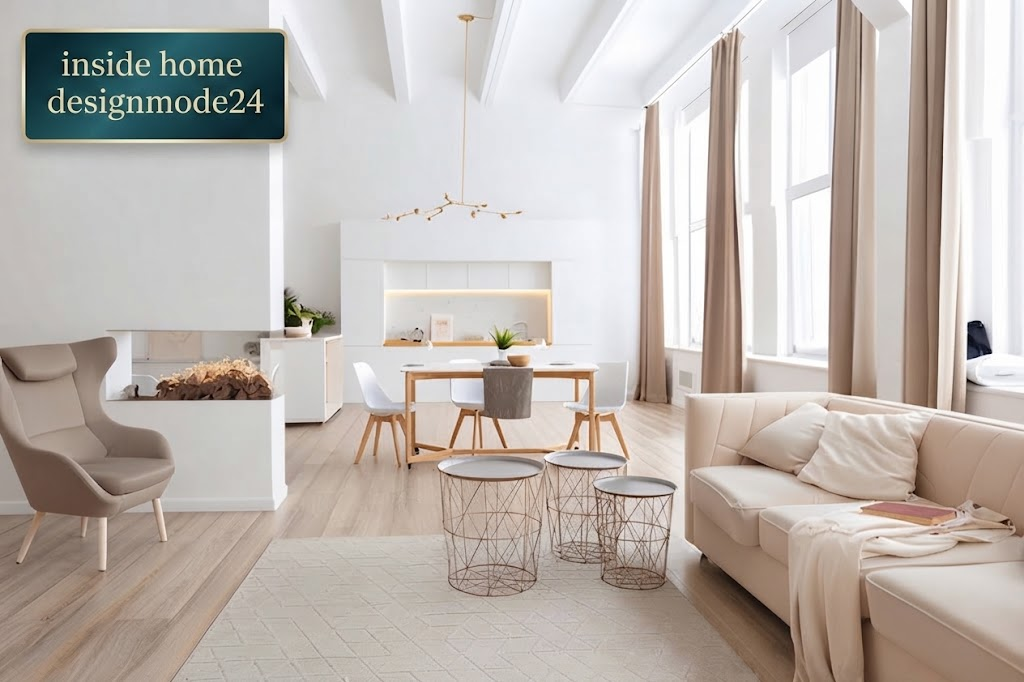
One color, everywhere — walls, trim, ceiling, millwork. No contrast, no relief. Designers are going all in with charcoal, aubergine, espresso brown, and warm slate blue. It sounds claustrophobic. Done right, it makes a room feel intentional and surprisingly large.
Best rooms for it: Powder rooms, home offices, dining rooms.
2. Warm Wood Layering
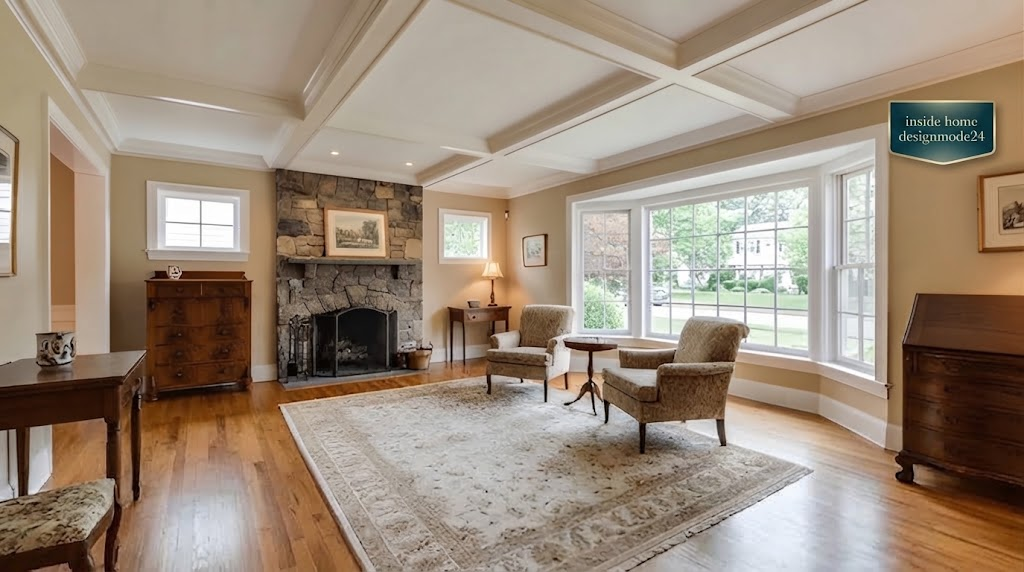
The rule that all wood in a room had to match is gone. Inside home design in 2026 leans into mixing tones on purpose — light oak floors with dark walnut shelving, a medium-stained dining table next to a driftwood-finish console. The key is varying grain texture alongside tone so the pieces read as collected, not mismatched.
| Wood Tone Pairing | Effect |
| Light oak + dark walnut | Depth without heaviness |
| Blonde pine + smoked ash | Casual warmth |
| Natural teak + matte ebony | Contrast with cohesion |
| Weathered driftwood + honey oak | Relaxed, layered feel |
3. Tactile Wallcoverings
Flat paint is losing ground to wallcoverings that mimic stone, plaster, grasscloth, and raw linen. These aren’t the floral wallpapers from your grandmother’s hallway. They’re textural, muted, and designed to catch light differently throughout the day. Homeowners are using them on full walls, ceilings, and even the insides of built-in shelves.
4. Confidence Zones
Small rooms — powder rooms, mudrooms, pantries, snugs — are getting the boldest design decisions. Because these spaces aren’t the main living areas, designers are treating them as permission slips. One saturated color. One dramatic material. One oversized piece of art. The rest of the house can stay calm.
5. Biophilic Design (The Real Version)
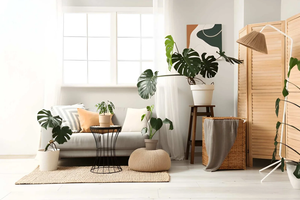
Biophilic design in 2026 means more than a fiddle-leaf fig in the corner. Inside home spaces are being built around natural light, living moss walls, water features, and indoor herb gardens that actually produce food. Search interest in biophilic design is up 112% year-over-year on Houzz. The difference from the trend’s earlier incarnation: it’s functional now, not decorative.
6. Wellness Rooms
A dedicated room for recovery, breathwork, or sensory rest used to be a luxury. It’s quickly becoming a priority. Searches for “wellness rooms” are up 164% in 2026. These aren’t full home gyms — they’re intentionally calm spaces with low EMF lighting, sound-dampening panels, and natural materials. More homeowners are converting spare bedrooms or finished basement corners into these retreats.
7. Statement Ceilings
Ceilings are no longer the fifth wall that gets ignored. Color drenching reaches up there. So do exposed wood beams, artisan wallpaper, and custom plaster medallions. The easiest version: paint the ceiling two shades darker than your walls and watch the room settle into itself.
8. Curved Furniture
Straight lines are softening. Curved sofas, arched doorways, rounded coffee tables, and circular mirrors are everywhere — and they’re not going away. Curved pieces make rooms feel less confrontational, especially in open-plan layouts where hard lines can make a space feel choppy.
9. Earthy, Muted Color Palettes
Bright whites and pure grays are being replaced by colors that reference the outside world — terracotta, sage, ochre, mushroom, raw clay. These shades work in almost any light because they have undertones that shift. A wall that reads warm beige in afternoon sun reads deep sand in lamplight.
| Color | Works Best In | Pairs With |
| Terracotta | Living rooms, kitchens | Warm wood, cream linen |
| Sage green | Bedrooms, bathrooms | White oak, stone |
| Ochre | Dining rooms, entryways | Dark walnut, black iron |
| Mushroom/taupe | Whole-home neutral | Almost everything |
| Raw clay | Accent walls, powder rooms | Rattan, plaster |
10. Multigenerational Layouts
Nearly two-thirds of homeowners renovating in 2026 plan to stay in their homes for more than 11 years, according to Houzz’s Renovation Plans Report. That’s driving smarter floor plans — dual primary suites, single-level layouts, wider hallways, and kitchens with large lower drawers that don’t require bending. Good inside home design now accounts for aging without announcing it.
11. High-Low Mixing
The idea that a room has to be entirely luxury or entirely budget-friendly is gone. Homeowners are pairing a $3,000 statement sofa with a $200 side table from a thrift store, or doing the opposite — splurging on vintage art and buying the couch from a furniture outlet. The room wins when the mix feels deliberate. You can find resources on how designers approach this balance at www designmode24, which tracks real-room applications of current inside home trends across styles and budgets.
12. Checkerboard Floors
It’s back, and it’s not limited to black and white. Terracotta and cream. Forest green and ivory. Navy and pale blush. Checkerboard floors are showing up in kitchens, entryways, and bathrooms — and because the pattern reads as vintage, it adds instant character without requiring anything else in the room to work hard.
Quick Reference: 2026 Inside Home Design at a Glance
| Look | Effort Level | Best Room | Cost Range |
| Color Drenching | Low–Medium | Powder room, office | $50–$400 |
| Warm Wood Layering | Low | Any room | $0–$800 |
| Tactile Wallcoverings | Medium | Accent walls | $200–$1,200 |
| Confidence Zones | Medium | Small rooms | $300–$2,000 |
| Biophilic Design | Medium–High | Living room, bedroom | $500–$5,000 |
| Wellness Room | High | Spare room | $1,000–$10,000+ |
| Statement Ceilings | Low–Medium | Any room | $30–$2,000 |
| Curved Furniture | Low | Living room | $400–$5,000 |
| Earthy Palettes | Low | Whole home | $50–$600 |
| Multigenerational Layouts | High | Whole home | $10,000+ |
| High-Low Mixing | Low | Any room | Varies |
| Checkerboard Floors | Medium–High | Kitchen, entryway | $600–$4,000 |
What These Trends Have in Common
Every look on this list shares one thing: it’s a reaction against generic. Inside home spaces in 2026 are being designed for the specific people who live in them — their routines, their materials preferences, their need to feel at home rather than on display.
That’s not a trend. That’s a correction. And it’s a good one. Contact us for more designs.